
Lithuania Calling - A Baltic Escape Awaits
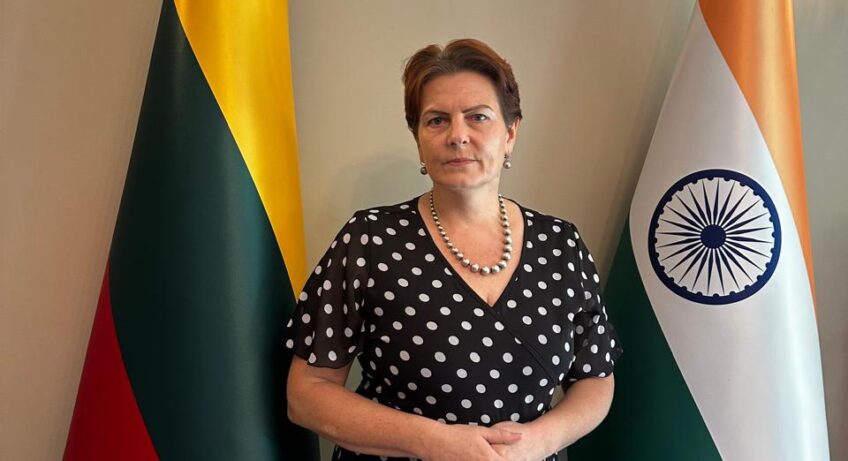
With its enchanting blend of medieval charm, lush landscapes, and vibrant modern culture, Lithuania is emerging as a captivating destination for Indian tourists. From cobblestone streets and centuries-old castles to innovative cuisine and warm hospitality, the country offers a rich and diverse travel experience. TravelJingles in conversation with H.E. Mrs. Diana Mickevičienė, Ambassador of Lithuania to India shares insights with us about her wonderful country. Whether you’re planning your first Baltic adventure, or seeking something off the beaten path, Lithuania promises unforgettable memories and meaningful connections.
Tell us about three must-do things that makes Lithuania a travel destination for first time tourists seeking authentic European experiences?
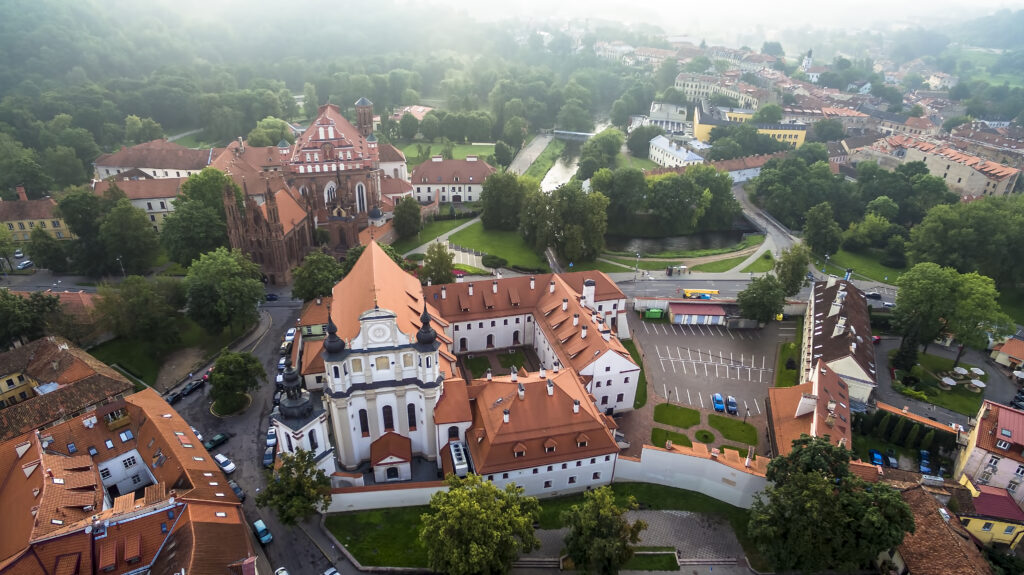
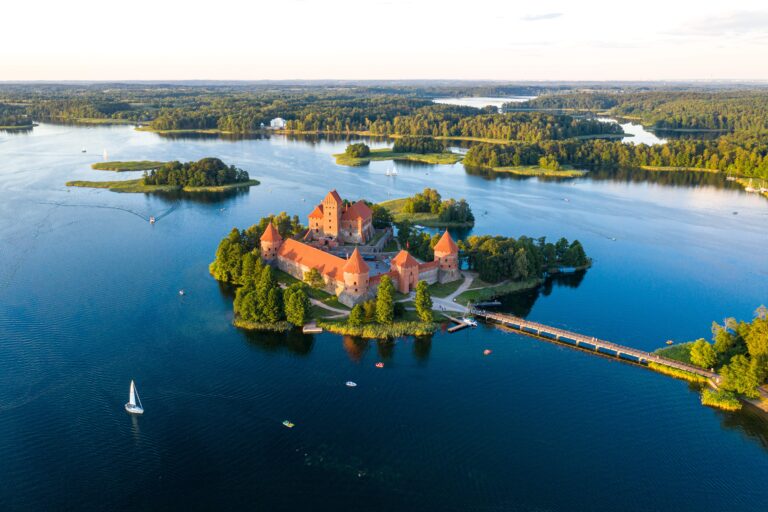
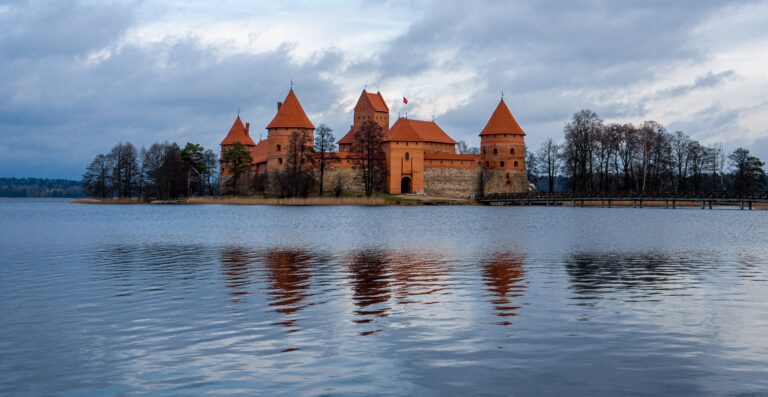
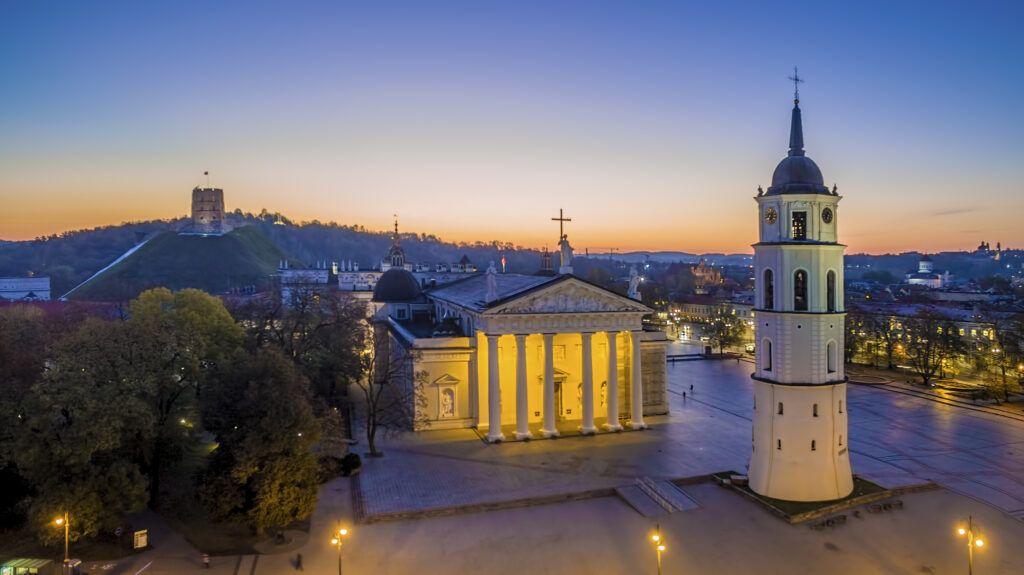
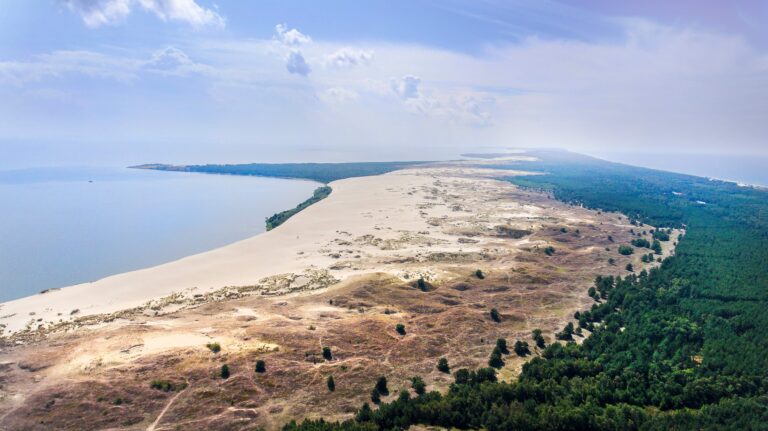
There are many things one can do when in Lithuania. One can enjoy the vibe of the old Lithuanian capital Vilnius – a labyrinth of narrow cobbled streets filled with charming buildings of Gothic and Baroque architecture, climbing several hillocks for the panorama of the medieval city, with ancient castles and towers surrounded by lush greenery; complement it with the experience of a lively restaurant and bar scene day and night. The second experience can include, going on a drive to Trakai, the 13th century capital which has a wonderful red brick lake castle in the middle of the big natural lake and another one in the peninsulas, then drive to the first capital Kernave which is now the collection of several impressive castle mounts towering over the Neris river, a memory of Lithuania‘s pagan past. The third must-do is to make a visit to the coast of the Baltic Sea which combines charming old town of Klaipeda with its Hanseatic architecture and the vibe of the port city, and is the gateway not just to the white sand coastline but also the Curonian peninsula famous for its Sahara-like sand dunes.
The signature dish of the country is ‘Cepelinai’. Tell us about the gastronomy of the country.
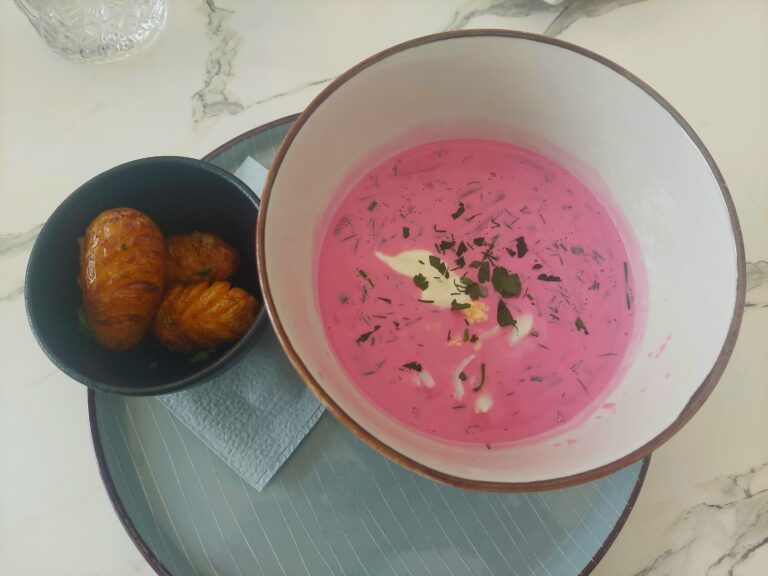
Cepelinai or ‘Zepelins’ are our famous potato dumplings filled either with meat or cottage cheese and eaten with a rich lard and sour cream gravy. It could be quite challenging for delicate unexperienced eaters. Equally iconic and universally pleasing is Šaltibarščiai – cold beetroot soup, which is a must-try as it is popularly called Pink Soup – it’s the soup-like version of Indian raita, one could say, chukandar ka raita, – natural, fresh, vegetarian, mixture of beet, cucumber and yoghurt, garnished with spring onions and lots of dill, eaten cold, but with hot boiled or fried potatoes. Lithuanians generally eat lots of potato dishes, like potato pancakes or potato pie. Also, wheat flower dumplings with different fillings of meat, cheese or mushrooms. Most famous desert is Šakotis – a tree-like wedding cake which is not only delicious but decorative.
Share some hidden gems in Lithuania that offer unique cultural or natural experiences beyond the usual tourist trail.
Hidden gems would require extra time and effort – wear hiking shoes and either get lost in the old towns of Vilnius, Kaunas, Klaipėda, or go to the lakes and forests, take a plunge in cold but clean water. Hire a cottage in the woods, either summer or winter, with a sauna or hot water tub, take a kayaking trip in the water labyrinths of small rivers and rivulets. Another gem which is not so hidden but often bypassed is the Hill of Crosses near Šiauliai – a strong spiritual place for not only Catholics but all believers. For the Indian tourist – a drive to Rusne, the birthplace of the close friend of Mahatma Gandhi – Hermann Kallenbach – and the only island of Lithuania surrounded by waters, is a must.
Tell us about the similarities between India and Lithuania.
Similarities between India and Lithuania are quite many. First of all, the linguistic connection – Lithuanian language has been recognized to be one of the closest living sister languages to Sanskrit. With this comes cultural connection between our ancient cultures – our pre-Christian religion bears significant resemblance to the Vedic culture and religion of India, with gods having similar names etc. Lithuanians being the last pagans of Europe we still retain much of our ancient beliefs. And, both of our societies are very family and hospitality oriented. In modern times our similarities relate both in ICT and biotechnology.
Lithuania has earned global recognition for its thriving IT and innovation sector. Comment.
IT and innovation scene in Lithuania has been thriving since we regained our independence in 1990. Even before that, Lithuania was famous for its lasers. Today 10 percent of the world’s high intensity scientific lasers come from Lithuania. Last year the Lithuanian company ‘Ekspla’ got the ‘Oscar of lasers’ award. ICT sector has been growing exponentially. We are number six in the world for cybersecurity and a global leader in Govtech, with practically all government services available online. Lithuania is also first in the European Union in fintech. Investment and innovation which has been paying us back – our GDP since 1990 have grown up nine times mostly because of that.
Are there any recent developments in visa policies or travel agreements between Lithuania and India that make visiting easier?
Lithuania is part of the Schengen visa agreement system, so anyone who has a valid Schengen visa can visit us without any extra formalities. We have visa centres in five main cities of India so that people do not need to travel to Delhi. Those who had and used Schengen visas in the recent past do not need to submit their biometrics and can avail of longer-term visas. Lithuania and India have visa-free agreement for diplomatic passports.
How is Lithuania embracing sustainable tourism. What initiatives are in place to protect its natural and cultural heritage?
Lithuania ranked seventh globally for low carbon intensity in 2023. Also in 2024, Lithuania generated 75.8% of its electricity from renewable sources, ranking it among the top performers in Europe. So, whatever you do as a visitor in Lithuania has a low carbon footprint and is enabled by mostly renewables. Lithuania‘s sustainable tourism offers opportunities to experience both city life and nature through boutique but conscious services – everything you need but no excesses, responsible use of resources and disposal of waste, concentrating on the meaningful and natural. Much of the food you eat in Lithuania would come from ecological farming. It tastes really good.
What do you like the most about India and why?
I like the openness and friendliness of people and the diversity of Indian culture. I have lived in quite a few countries, and I can say that India is perhaps the easiest place to make friends. Nowhere is the guest so honoured and loved as in India – truly Atithi devo bhava! It is my third long-term stay in India, and during all of them I have found friends with whom I feel close till today. Similarly, in cultural diversity very few places can surpass India. I enjoy traveling around India, discovering historical places, different cultures, and cuisines.
Year end is the beginning of the festive times. Are there any festivals, events, or seasonal highlights you like to share with us?
After the festive season in India, from Navratras/Dussehra till Diwali, the lights in my home stay on to usher in Christmas. For Lithuanians, Christmas Eve is even more important than Christmas. On Christmas Eve families sit down for a solemn dinner with 12 dishes of special diet, no meat but fish, no milk but grains and pickles. We keep an empty plate for the departed souls, and keep the meals on the table for the night – to feed visiting souls. This is followed by the usual joyous Christmas gatherings which culminates in the New Year. But this is also a special year for Lithuania and India relations: in 2025 we mark 400 years from the first Lithuanian in India (Jesuit pilgrim Andrius Rudamina came to Goa in 1625) and 130 years from the first Indian in Lithuania (Parsi scholar Dr J.J. Modi visited Lithuania in 1895) – to celebrate the long-standing connection between our peoples we have designated 2025-26 as ‘Year of People to People Connections’.