
An Land of Fire, Ice, and Endless Adventures
Discover the unseen charisma of nature

H.E. Mr. Benedikt Höskuldsson
Ambassador of Iceland to India
Iceland has captivated travellers worldwide with its breathtaking landscapes, rich cultural heritage, and commitment to sustainability. From its geothermal hot springs to its rugged wilderness, the country offers unforgettable experiences for adventurers and relaxation seekers alike. H.E. Mr. Benedict Höskuldsson, Ambassador of Iceland to India, share the insight on the evolving future of tourism in this extraordinary Nordic destination.
Driving Iceland’s Ring Road offers a chance to explore the country’s stunning scenery. What are some must-visit stops along the route, and what tips would you give to first-time road-trippers?
Iceland’s Ring Road (Route 1) is a 1,332-kilometer journey showcasing the island’s most spectacular landscapes. To enjoy the scenery and unspoiled nature, first time travellers need 7-10 days.Jökulsárlón Glacier Lagoon is Iceland’s most iconic sight, where colossal icebergs calve from Vatnajökull glacier and drift through an ethereal blue lagoon. Adjacent Diamond Beach showcases these ice sculptures washing onto black volcanic sand, creating a surreal contrast. Visit Seljalandsfoss and Skógafoss Waterfalls which represents Iceland’s waterfall majesty.Seljalandsfoss offers the rare opportunity to walk completely behind the 60-meter cascade, while nearby Skógafoss thunders down with such force that it creates perpetual rainbows in its mist. Reynisfjara Black Sand Beach near Vík features dramatic basalt sea stacks called Reynisdrangar, rising from the churning Atlantic waters. The hexagonal basalt columns and cave formations create an otherworldly landscape that’s appeared in countless films. The Geysir Geothermal Area showcases Iceland’s volcanic heart through bubbling hot springs and the faithful Strokkur geyser, which erupts 15-20 meters high every 5-10 minutes. The colourful mineral deposits and steaming ground reveal the raw geothermal power beneath Iceland’s surface.
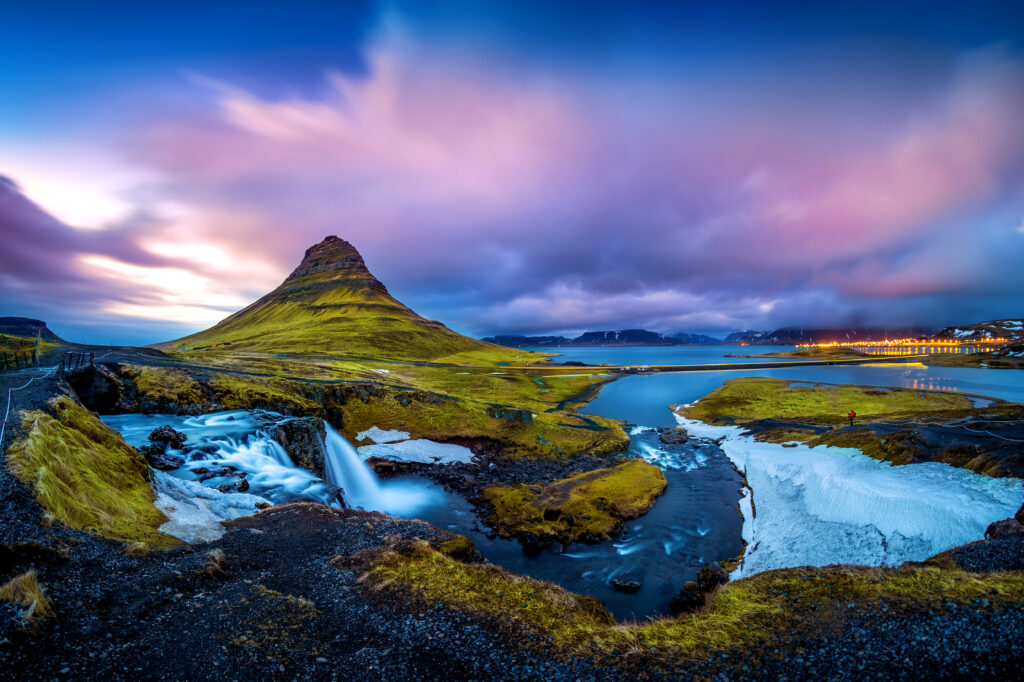
The Northern Lights are a bucket-list experience for many visitors. What are the best ways to witness them in Iceland, and how does the country accommodate travellers seeking this spectacle?
Iceland offers exceptional Northern Lights viewing from September to March during dark, clear nights. The best locations include remote areas away from Reykjavík’s light pollution—Þingvellir National Park, Jökulsárlón glacier lagoon, and the Snæfellsnes Peninsula provide ideal conditions.
Iceland accommodates aurora hunters through specialized Northern Lights tours departing from Reykjavík, featuring expert guides who track weather patterns and geomagnetic activity. Many hotels offer wake-up calls when auroras appear, while glass-roofed accommodations like bubble hotels provide comfortable viewing experiences.
For independent travellers, rental cars enable flexibility to chase clear skies. Mobile apps track aurora forecasts and cloud cover. Winter months offer longer darkness windows but require warm clothing and patience—the lights appear unpredictably, making multiple nights essential for optimal viewing chances.
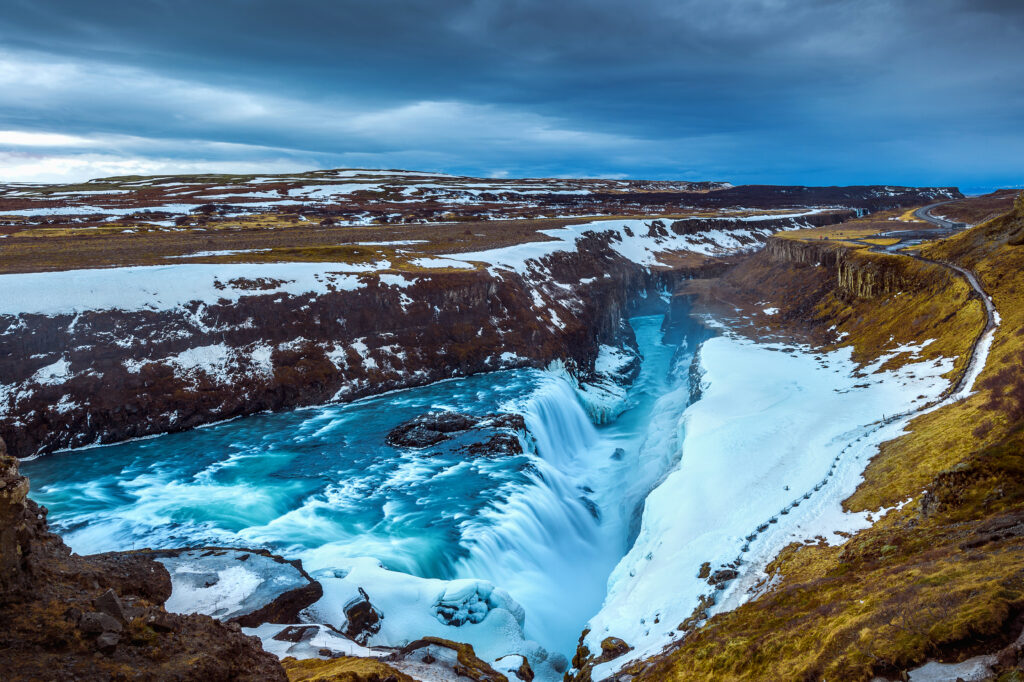
Iceland’s landscapes—glaciers,volcanoes, and geothermal springs—are breathtaking but delicate. How does the nation manage sustainable tourism while protecting its natural beauty?
Iceland manages sustainable tourism through strict environmental regulations and visitor education. Popular sites like Geysir and Gullfoss have designated walkways and barriers preventing ecological damage, while fragile areas require permits or guided access only. The country promotes off-season travel to distribute visitor loads and reduce peak-season strain. Iceland’s Inspired by Iceland’ campaign educates tourists about responsible behaviour— staying on marked paths, not building cairns, and respecting wildlife. Tourism taxes fund conservation efforts, while sustainable accommodation certifications encourage eco-friendly practices. Local operators emphasize small-group tours over mass tourism. However, challenges remain with overtourism at Instagram-famous locations. Iceland continues developing infrastructure improvements, alternate sites promotion, and carrying capacity studies to balance economic benefits with environmental preservation for future generations.
The Blue Lagoon is one of Iceland’s most well-known attractions. What sets it apart, and how has it contributed to Iceland’s reputation as a wellness destination?
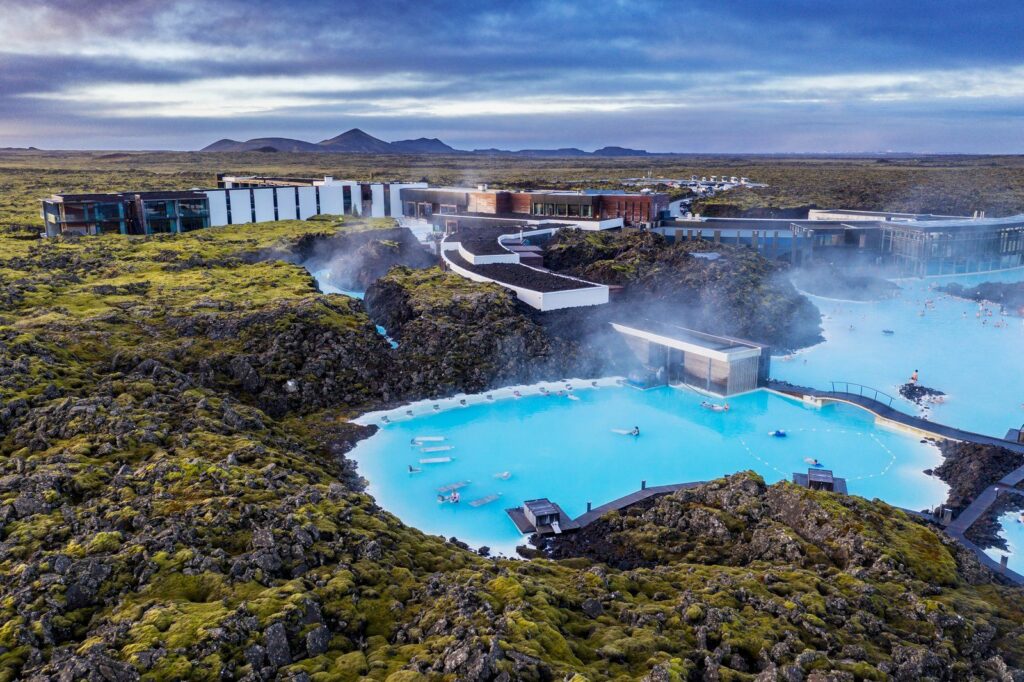
The Blue Lagoon stands out as Iceland’s premier geothermal spa, featuring milky blue waters rich in silica, algae, and minerals at a perfect 37-40°C. Located in a dramatic lava field, this man- made wonder transforms geothermal seawater from the nearby Svartsengi power plant into a healing oasis renowned for treating skin conditions like psoriasis. The lagoon pioneered Iceland’s wellness tourism industry, establishing the country as a premier spa destination. Its luxury amenities, in-water treatments, and stunning volcanic backdrop attract over one million annual visitors. The Blue Lagoon’s success has inspired numerous similar attractions— now six new lagoons have opened to tourists, including Sky Lagoon and Forest Lagoon, expanding Iceland’s geothermal wellness offerings. These developments position Iceland as a world-class wellness destination where natural healing meets innovative luxury experiences.
Tell us about the connectivity from India to Iceland.
Iceland’s connectivity from India has significantly improved through strategic airline partnerships and hub connections. Travellers can reach Reykjavík via Dubai using Emirates or other Gulf carriers, offering convenient Middle Eastern transit options. Istanbul serves as another major gateway, with Turkish Airlines providing seamless connections to Iceland through their extensive European network. Most notably, Air India’s expanded partnerships now enable Indian travelers to reach Iceland through numerous European destinations via Icelandair. These connections through major European hubs like Amsterdam, Copenhagen, and London provide multiple daily options. These improved routing options have made Iceland increasingly accessible for Indian tourists, reducing travel time and offering competitive pricing.
Iceland is a top destination for adventure seekers, offering activities like glacier hiking and volcano excursions. What makes the country a hotspot for outdoor enthusiasts?
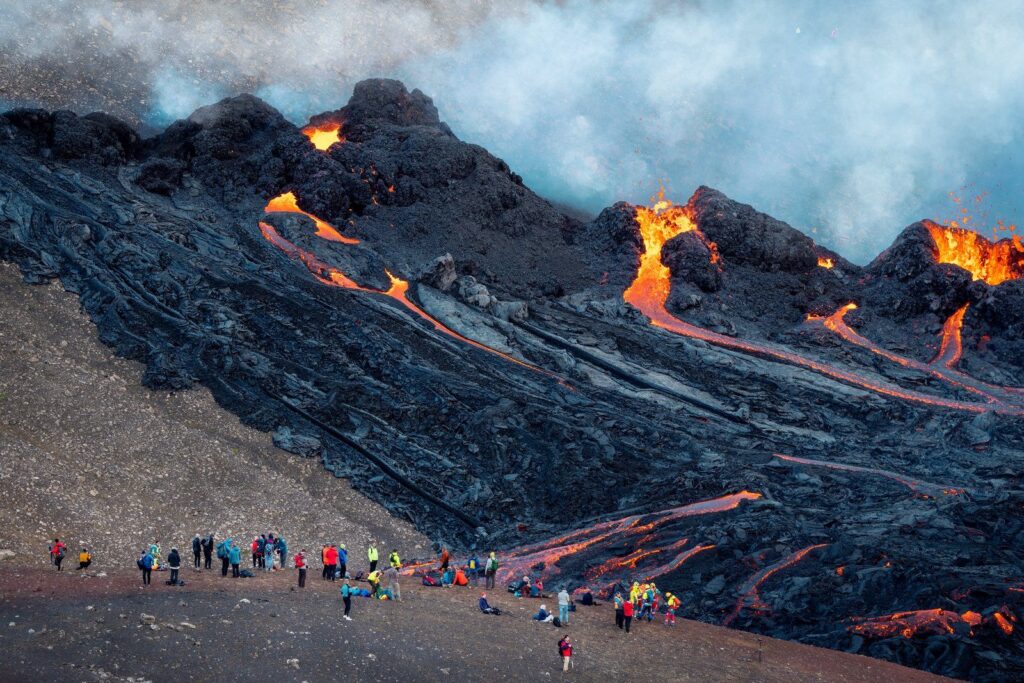
Iceland’s unique geological position on the Mid-Atlantic Ridge creates an unparalleled adventure playground where fire meets ice. The country offers glacier hiking on massive ice caps like Vatnajökull, ice cave exploration in crystal-blue formations, and volcano excursions to active sites like Fagradalsfjall, where visitors can witness molten lava up close. The dramatic landscapes provide diverse activities year-round—white- water rafting through volcanic canyons, snorkeling between continental plates at Silfra fissure, and hiking across otherworldly lava fields. Winter brings Northern Lights chasing, dog sledding, and ice climbing, while summer offers midnight sun adventures and highland trekking. Iceland’s compact size allows multiple activities in single trips, while its excellent safety standards and expert guides ensure accessible adventures for various skill levels. The country’s volcanic activity creates constantly evolving landscapes, offering unique experiences impossible elsewhere. Professional tour Operators provide specialized equipment and local expertise, making extreme adventures achievable for international visitors seeking authentic Arctic and volcanic encounters.
Icelandic cuisine reflects its rich history and environment. What unique dishes should visitors try?
Icelandic cuisine reflects the island’s harsh climate and fishing heritage through unique preservation methods and local ingredients. Visitors should try hákarl (fermented shark), an acquired taste representing traditional survival food, and pylsur, Iceland’s famous hot dogs topped with crispy onions and special sauces. Fresh seafood dominates menus— sample langoustine, Arctic char, and cod prepared in modern Nordic styles. Lamb is exceptional, often slow-cooked in geothermal ovens underground. Skyr, a protein-rich yogurt-like dairy product, appears in both savory and sweet preparations. Traditional dishes include hangikjöt (smoked lamb) and plokkfiskur (fish stew). Modern Icelandic restaurants blend these heritage ingredients with contemporary techniques, creating innovative Nordic cuisine. Reykjavík’s restaurant scene showcases this evolution, making Iceland a surprising culinary destination beyond its natural wonders.
Travelling in Iceland varies greatly between seasons. What are the key differences between summer and winter tourism?
Summer (June-August) offers Iceland’s most accessible travel conditions with nearly 24-hour daylight, allowing extensive sightseeing and highland access via F-roads. All Ring Road attractions remain open, camping flourishes, and lupine flowers blanket the landscape. However, this peak season brings crowds and premium pricing. Winter (November-March) transforms Iceland into an aurora wonderland with Northern Lights visibility during long dark nights. Ice caves become accessible, and snow creates dramatic scenery. Yet harsh weather closes highland roads, limits daylight to 4-6 hours, and requires winter driving skills. Spring and autumn offer compromise periods—fewer crowds, moderate weather, and lower prices, though aurora viewing diminishes in spring. Winter demands preparation for extreme conditions but rewards visitors with unique experiences like glacier ice caves and reliable Northern Lights viewing opportunities.
Tell us about your ‘one’ favourite experience in Iceland, while exploring the country.
My one favourite experience has been living through hiking across the highlands. The ever changing scenery, constant different challenges like crossingrivers, changing weather and to live thispure wilderness, is in some ways un- earthly because of how close you are to the ‘elements ́.
The Westfjords and other remote regions are drawing more visitors. What makes these areas special, and how is Iceland encouraging tourism beyond Reykjavik?
The Westfjords showcase Iceland’s most dramatic and untouched landscapes—towering sea cliffs at Látrabjarg teeming with puffins, the stunning Dynjandi waterfall cascading in multiple tiers, and remote hot springs like Reykjafjarðarlaug. These areas offer authentic Icelandic culture, traditional fishing villages, and virtually crowd- free experiences. Iceland promotes regional tourism through improved infrastructure, including better roads and accommodations in places like Ísafjörður and Akureyri. The government supports local tourisminitiatives, highland bus routes, and promotes lesser-known gems like the Eastfjords and Snæfellsnes Peninsula. Marketing campaigns highlight unique regional experiences—whale watching in Húsavík, ice caves in Vatnajökull, and geothermal pools scattered across remote areas. This strategy distributes economic benefitsbeyond Reykjavík while preserving popular sites from overtourism.