
A Land of Wines and
Timeless Beauty
Unveil Georgia’s rich history, scenic landscapes,
and warm hospitality

H.E. Mr. Vakhtang Jaoshvili
Ambassador of Georgia to India
Nestled at the crossroads of Europe and Asia, Georgia is a land of breathtaking landscapes, ancient history, and vibrant culture, offering a seamless blend of adventure, heritage and culinary delights. From picturesque mountain retreats to dynamic cityscapes, H.E. Mr. Vakhtang Jaoshvili, Ambassador of Georgia to India, sheds light on Georgia’s growing appeal, its efforts to enhance accessibility, and cultural exchanges fostering deeper connections between the two nations.
Tell us about the three must-do things in Georgia for first time travellers.
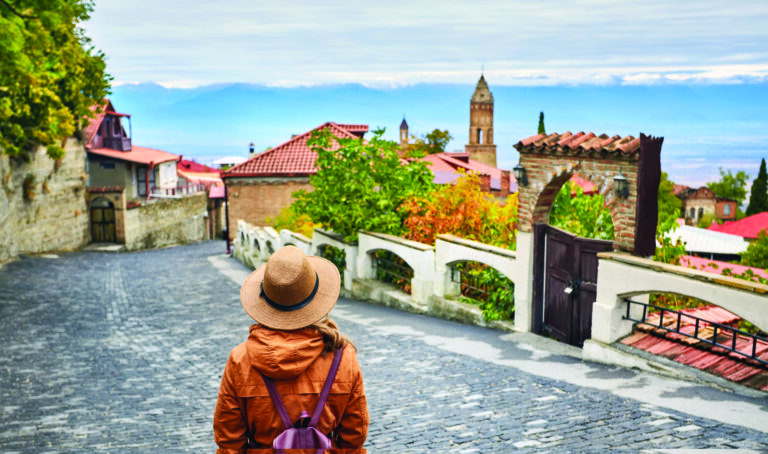
It’s not easy to narrow it down, but for first-time visitors, three unforgettable experiences stand out. Begin with Tbilisi, our charming capital, known for its historic Old Town, colourful balconies, sulphur baths, vibrant arts scene and a lively culinary and nightlife culture. Combine it with Mtskheta, which is just a short drive away – the ancient capital of Georgia and a UNESCO World Heritage Site, where millennia of Georgian spirituality and culture meet. Then head west to Batumi, a dynamic Black Sea city combining lush nature, seaside charm, and modern architecture. Stroll through its famous boulevard; visit the Batumi Botanical Garden, or discover ancient Gonio Fortress. Finally, don’t miss Kakheti in the east, Georgia’s wine region, where you can visit centuries-old monasteries, scenic vineyards, and family-run wineries, offering tastings of our world-famous wines.
Tbilisi’s mix of historic and modern architecture is striking. How is Georgia balancing heritage preservation with urban development?
For me, Tbilisi is a living blend of history and modernity. As a city on the crossroads of Europe and Asia, it reflects both traditions through architecture, where East meets West. The Old Town—home to ancient churches, iconic balconies, and historic sulphur baths—is protected by strict preservation laws. At the same time, modern districts are flourishing with contemporary skyscrapers and business centres. Urban development is, carefully guided to ensure that growth respects our cultural heritage. This balance of preservation and innovation has become one of Tbilisi’s defining features, attracting travellers interested in both, the past and the future.
What are some lesser-known yet must-visit locations in Georgia that Indian tourists should explore?
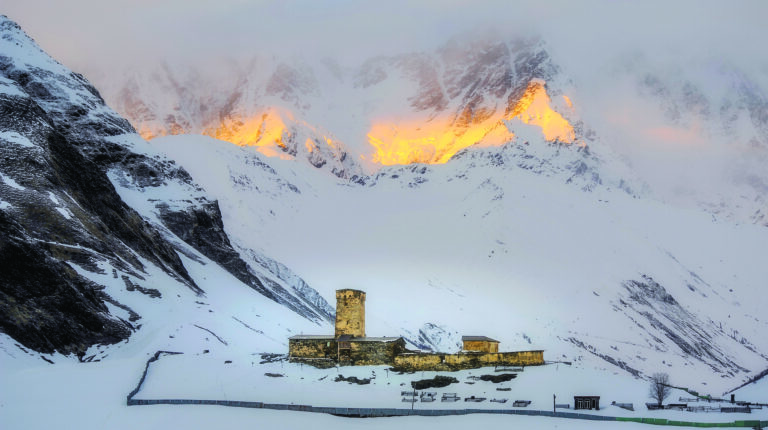
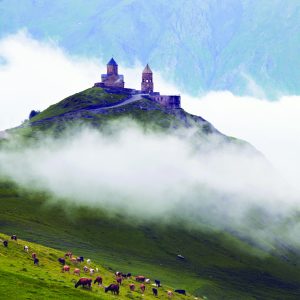
Beyond the well-known cities, Georgia is full of hidden gems. Just 150 km from Tbilisi lies Kazbegi, a breathtaking mountain region perfect for hiking and home to the iconic 14th-century Gergeti Trinity Church. Martvili Canyon in Samegrelo, with its emerald waters and boat rides through limestone cliffs, offers a magical natural escape. In Svaneti, nestled high in the Caucasus, you’ll find medieval villages, unique stone towers, and some of Georgia’s most stunning alpine landscapes. For adventure seekers and cultural explorers alike, these destinations offer unforgettable experiences far from the usual, tourist paths.
How has Georgia streamlined its visa process to make travel easier for visitors from India?
Georgia has made travel easier than ever for Indian visitors with the launch of an e-Visa portal. The process is simple and entirely online: fill out the application, pay the fee, and receive your visa by email. There’s no need to visit an embassy or submit physical documents. The e-Visa grants the same rights as a traditional visa and allows short-term entry for tourism or business. This hassle-free system reflects Georgia’s commitment to welcoming more Indian travellers and strengthening our people-to-people connections. I also suggest you visit our embassy website for comprehensive information on visa-related matters.
Georgian cuisine is rich in flavours and tradition. Tell us about the gastronomy of the country.
Georgian cuisine is a rich tapestry of flavours, shaped by our unique geography and centuries of cultural exchange. Each region brings its own specialties, but common to all are fresh ingredients, aromatic herbs, and generous use of walnuts and spices. Our culinary traditions blend East and West, yet remain distinctly Georgian. Signature dishes include khinkali (juicy dumplings), khachapuri (cheese-filled bread), and a variety of vegetarian dishes like pkhali and badrijani nigvzit—eggplant rolls with walnut paste. With its hearty, diverse, and soul-warming food, Georgia promises a true feast for the senses.
With Georgia’s deep-rooted history in winemaking, what unique experiences can visitors expect from its vineyards?
Georgia is widely recognized as the birthplace of wine, with over 8,000 years of continuous winemaking tradition. Visitors can explore family-run vineyards and taste rare wines made from over 500 native grape varieties. A highlight is the qvevri wine, fermented in large clay jars buried underground—a UNESCO-protected tradition. The Kakheti region offers immersive wine tours where guests can participate in harvests, visit ancient wine cellars, and learn about both traditional and modern techniques. Whether you’re a wine expert or a curious traveller, Georgia’s vineyards offer an unforgettable cultural and sensory journey.
Tell us about the connectivity of Georgia from India.
Traveling to Georgia from India is now easier than ever. There are daily direct flights between Delhi and Tbilisi operated by IndiGo. Starting in August, IndiGo will also offer direct flights from Mumbai to Tbilisi three times a week. With over 124,000 Indian tourists visiting Georgia last year and more than 21 thousand Indian students in Georgian universities, the trend is only growing. We’re actively working with more airlines to improve connectivity, including from other major Indian cities. At the same time, more Georgians are discovering India’s rich culture and beauty, deepening the people-to-people links between our two nations.
How does cultural exchanges between Georgia and India help strengthen tourism and mutual appreciation?
Georgia and India share a deep, centuries-old cultural connection. The 12th-century Georgian national epic, The Knight in the Panther’s Skin, features an Indian hero – Tariel, symbolizing this historic bond. In Goa’s Church of St. Augustine lie the relics of Saint Queen Ketevan, a revered Georgian martyr. This connection has inspired the Ketevan World Sacred Music Festival, a unique event uniting Indian and Georgian artists. From Georgian polyphonic choirs performing in Indian cities to joint dance and theatre projects, our cultural collaborations foster mutual appreciation and bring our peoples closer through shared creativity and tradition.
With sustainability becoming a global priority, what initiatives is Georgia undertaking to promote responsible tourism?
Georgia is deeply committed to sustainable tourism. Nearly 20% of our territory is protected, offering pristine natural reserves for eco-conscious travellers. We are blessed with a remarkable range of landscapes and ecosystems, from the soaring peaks of the Caucasus Mountains to the lush subtropical Black Sea coast, and from semi-desert regions to dense forests Our diverse landscapes are home to unique flora and fauna, making it an ideal destination for nature enthusiasts and adventure seekers. We promote ecotourism by encouraging low-impact travel, preserving local traditions, and supporting community-based initiatives. National parks offer responsible hiking, birdwatching, and wildlife experiences. Our focus is not just on conservation, but also on empowering local communities, reducing environmental footprints, and ensuring tourism benefits for everyone – visitors and locals alike.