

A Land of Tango, Glaciers and Timeless Culture
From vibrant tango performances and exceptional cuisine to awe-inspiring natural landscapes, Argentina captivates travellers with its diversity. While Aconcagua is renowned as the highest peak in the Americas, its spectacular mountain scenery, scenic trekking routes and unspoilt wilderness make it an unforgettable destination for outdoor enthusiasts and nature lovers alike. TravelJingles in conversation with H.E. Mr. Mariano Agustin Caucino , Ambassador of the Argentina to India.
Patagonia is known for glaciers and wildlife, Tell us about three things to do in your country.
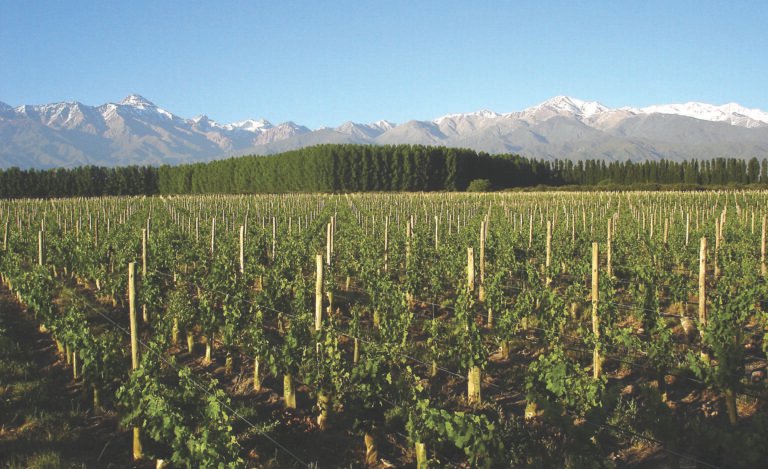
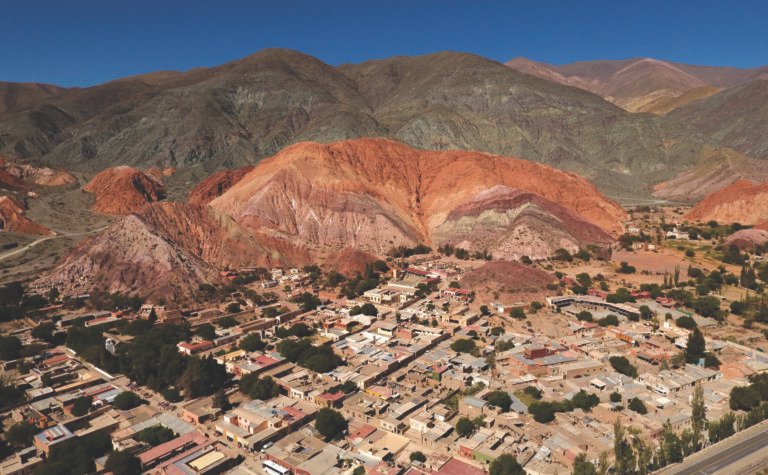
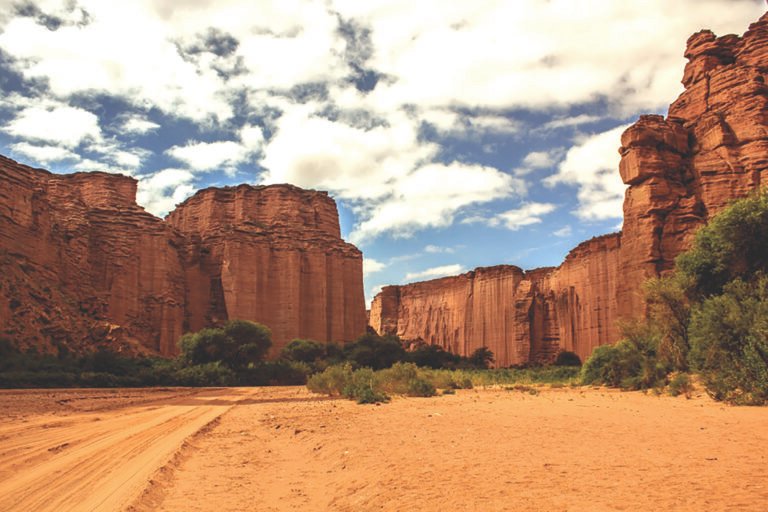
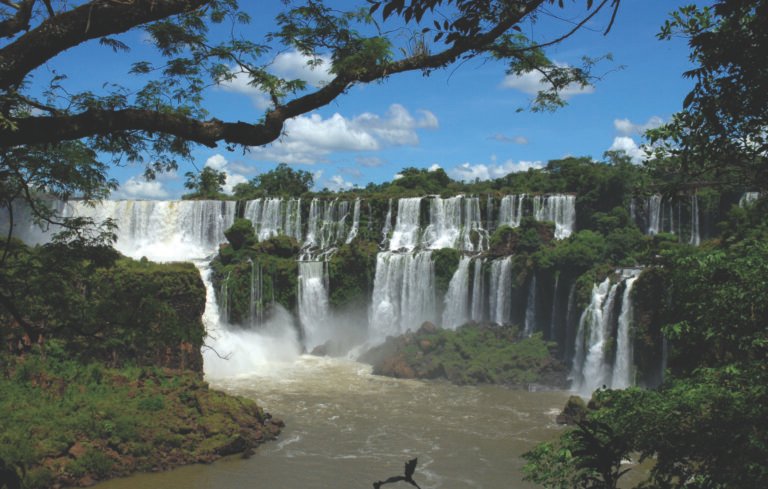
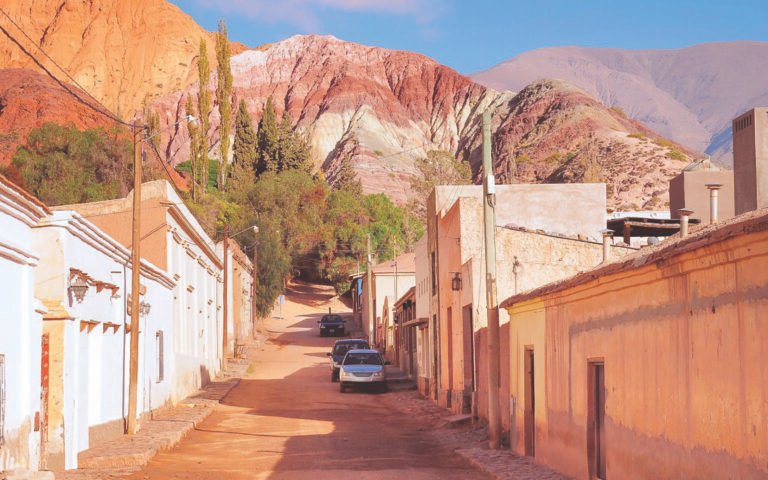
Argentina rewards travellers with extraordinary range. In Patagonia, El Calafate is unmissable: sailing Lake Argentino to see the Perito Moreno Glacier, or mini-trekking directly on the ice, is one of the most stunning experiences in the world; from there, a scenic drive leads to El Chaltén, our trekking capital, beneath the iconic Fitz Roy. In the north, Salta offers colonial cities, the dramatic Quebrada de las Conchas with its Devil’s Throat rock formations, and Cafayate’s high-altitude vineyards producing Torrontés, our signature white grape. And no visit is complete without Iguazú Falls: reaching the thundering Devil’s Throat, ideally capped with a boat ride right up to the falls themselves. Add Bariloche’s lakes and chocolates, or Rosario, birthplace of Lionel Messi, and you begin to see why Argentina, six regions across more than 5,000 kilometers.
Ushuaia is known as the ‘End of the World,’ it’s the southernmost city on Earth and a gateway to Antarctica. Comment.
Ushuaia, famously known as the city at the End of the World, offers sailing along the Beagle Channel to the Les Eclaireurs Lighthouse, hiking in Tierra del Fuego National Park, skiing at Cerro Castor, and a journey aboard the End of the World Train. History lovers can explore the former prison museum, while visitors should not leave without trying king crab and black hake, local specialties. For me, Ushuaia captures Argentina’s geographic extremes: from Iguazú’s subtropical jungle in the north to this remote southern outpost, a single country spanning almost every climate imaginable
What do you like the most about India. Do we have any similarities between the two countries.
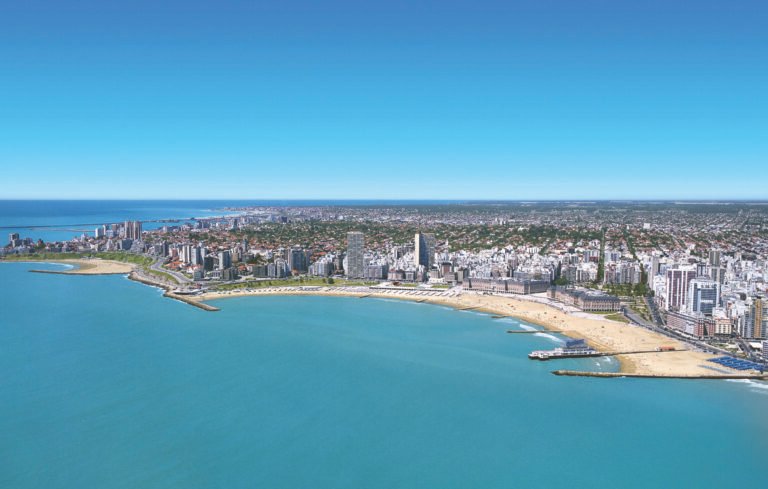
What strikes me most about India is its extraordinary diversity, of languages, religion, landscapes, held together within a single nation, much as Argentina brings together six very different regions, from subtropical Iguazú to glacial Patagonia, into one identity. Both countries share a deep love of storytelling, through Bollywood and Indian literature, or Argentine cinema and Borges. We also share an intense sporting passion: cricket for India, football for Argentina. And both nations place enormous value on family, hospitality and gathering around food, values that make our relationship feel genuinely close.
Which is your favourite activity or spot you do, when you visit Argentina and why.
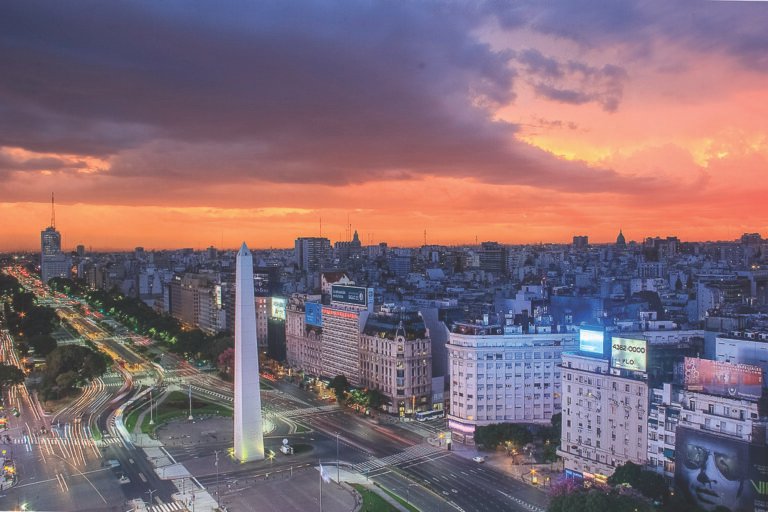
If I had to choose, I would say walking through one of Buenos Aires’ historical neighbour-hoods, ending at a café for a coffee and grab a medialunas (croissants), while I enjoy a book. There is something about the combination of early twentieth century architecture, tree-lined streets and the café culture (“confiterías”) that captures the essence of the city.
Argentina has 12 UNESCO World Heritage Sites. Which destinations would you recommend for a first-time visitor?
For a first-time visitor, I highly recommend two spectacular natural wonders. First, the Iguazú National Park in the subtropical north, where you can stand amazed at the Devil’s Throat, the park’s most spectacular and powerful spot. Second, head south to Los Glaciares National Park in Patagonia to witness the majestic Perito Moreno Glacier, the star of El Calafate and one of the most stunning sights in the world. These destinations perfectly showcase the incredible geographic contrast and unique natural heritage of Argentina.