
THE OLDEST CIVILISATION IN AMERICA
Ancient Roots with Modern Bonds
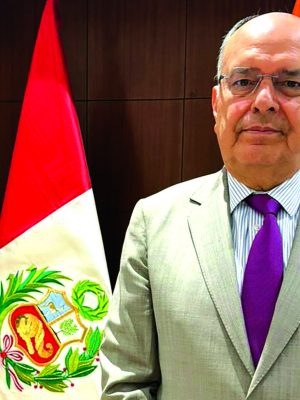
Ambassador of Peru to India
Peru captivates travelers with its blend of ancient heritage and natural splendor. Home to the legendary Machu Picchu, the vibrant capital Lima, and diverse landscapes, stretching from the Andes to the Amazon, it offers experiences that are both cultural and adventurous. Colorful traditions, and archaeological marvels make Peru a destination of discovery. In this issue, H.E. Mr. Javier Paulinich, Ambassador of Peru to India, shares insights with TravelJingles magazine, into the growing partnership between the two nations. Highlighting expanding trade relations, cultural connections, and new opportunities for travelers.
Peru offers Machu Picchu. Tell us about the must-visit places in Peru for first time visitors. Peru offers unforgettable experiences for first-time visitors
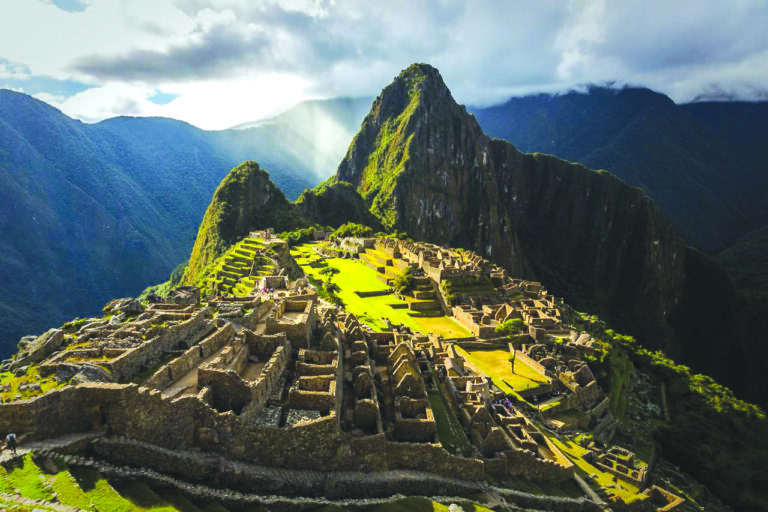
Among the must-visit destinations is the Peruvian Amazon, one of the most biodiverse regions on Earth. In the Loreto region, travelers can sail along the majestic Amazon River aboard a first-class cruise, falling asleep to the sounds of the rainforest and enjoying breakfast alongside the enchanting pink river dolphins. The capital city, Lima, is another highlight. Its historic centre, a UNESCO World Heritage Site, stands out for its remarkable colonial architecture, including the Plaza Mayor, the Cathedral, and the Convent of San Francisco. In recent decades, Lima has also become the culinary capital of Latin America, home to several restaurants featured in The World’s 50 Best Restaurants ranking. Obviously, no first visit to Peru would be complete without experiencing Machu Picchu, the iconic Inca citadel nestled high in the Andes—a timeless symbol of Peru’s history, culture, spirituality and breathtaking natural beauty.
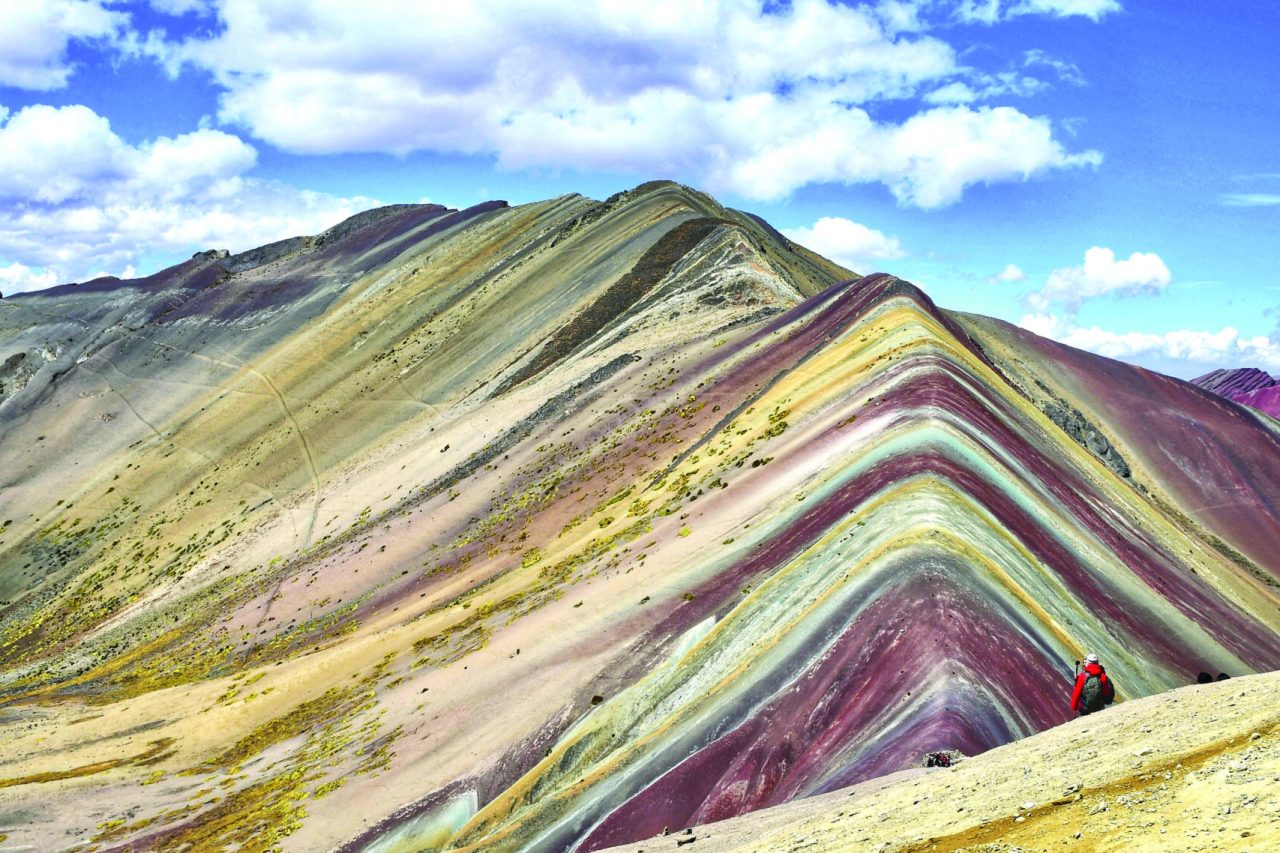
Beyond Machu Picchu and the Nazca Lines, the UNESCO World Heritage sites in Peru, tell us about the lesser-known sites.
Another recommended region is Puno, located on the shores of Lake – 22 Titicaca. While enjoying breathtaking views of the highest navigable lake in the world, you can interact with the communities that live on its islands and preserve their ancestral traditions. The Colca Canyon, one of the deepest in the world, is located in the Arequipa region. It is located in a magical environment with breathtaking views where you can watch the flight of the condor, a bird considered sacred by various ancient cultures, including the Incas.
India and Peru are currently in advanced negotiations for a Free Trade Agreement Comment
Peru and India are indeed in advanced negotiations toward a Free Trade Agreement, a process led by Peru’s Ministry of Foreign Trade and Tourism (MINCETUR), which is the authority responsible for trade policy and negotiations. The conclusion of the ninth negotiation round in Lima reflects sustained political will on both sides. Bilateral trade already reached a record USD 5.8 billion in 2024, showing that the relationship is commercially meaningful even without an FTA. A future agreement would provide clearer rules, lower tariffs and greater predictability for businesses. For Peru, it is also a strategic move to deepen ties with Asia and diversify markets. For India, Peru is a reliable supplier of critical minerals and a potential food partner. An FTA would not start trade from scratch; it would speed up a trend that is already growing and help attract investment with clearer and more stable rules.
Tell us about the bilateral trade sectors that hold the greatest untapped potential for growth
From Peru’s side, the largest untapped potential lies in agro exports and value-added foods. Today, trade with India is dominated by minerals, while non-traditional exports represent a very small share. Yet India has a massive and growing demand for quality food. Products where Peru is globally competitive (grapes, blueberries, avocados, mangoes, quinoa, superfoods, vegetable oils and processed foods) match Indian import needs. On the traditional side, mining will remain important, but the real expansion margin is diversification. If sanitary, logistics and valueaddition challenges are addressed, agroindustry could multiply its presence in the Indian market in the coming years.
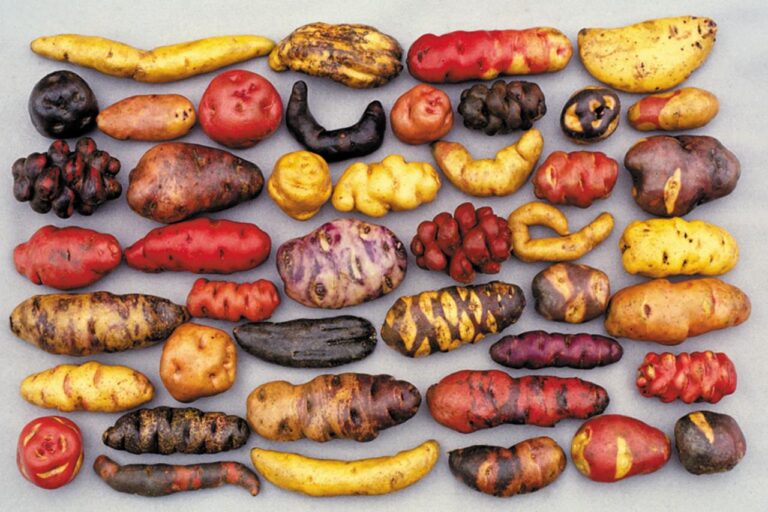
Peru is the birthplace of the potato, with over 3,500 varieties. Tell us about the significance of the International Potato Centre in Lima.
As the leading producer of this superfood in Latin America, the International Potato Center (CIP) serves as the global guardian of this superfood’s genetic legacy, ensuring biodiversity and protecting thousands of varieties. The CIP’s work in biofortification and sustainable farming empowers over thousands of Peruvian families, transforming an ancestral staple into a modern solution for global hunger. Crucially, this impact is felt most deeply in the high-altitude Andean regions, where it directly benefits small-scale farmers.
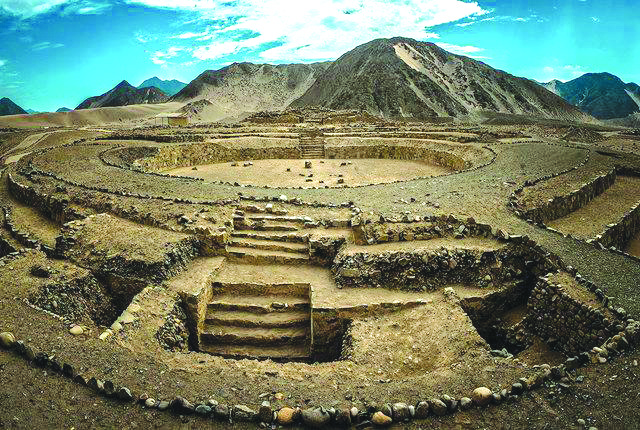
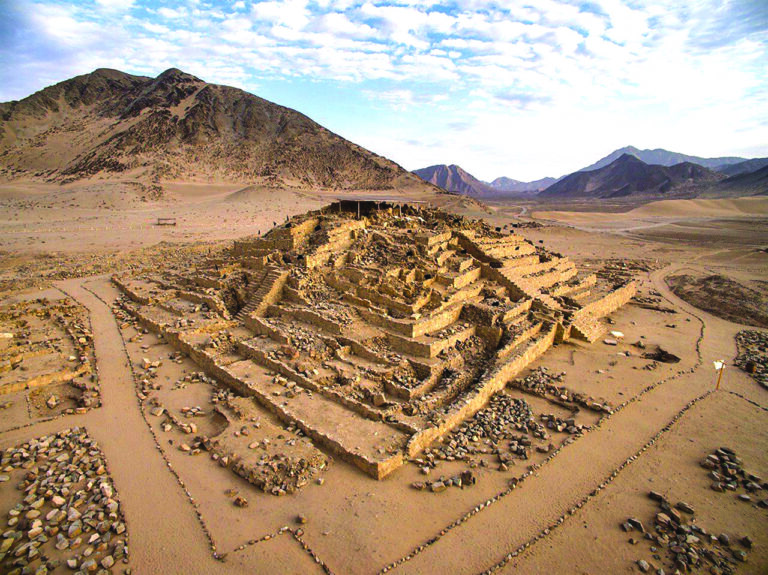
Caral is considered the oldest civilisation in America
At 5,000 years old, Caral is recognized as the oldest civilization in the Americas. Located three hours from Lima, this UNESCO World Heritage Site features monumental adobe structures, including six pyramids and circular plazas. Beyond its architecture, Caral is vital for understanding the ancient Peruvian; it reveals a highly organized society that showed early scientific, technological, and spiritual development, long before the rise of the Incas.
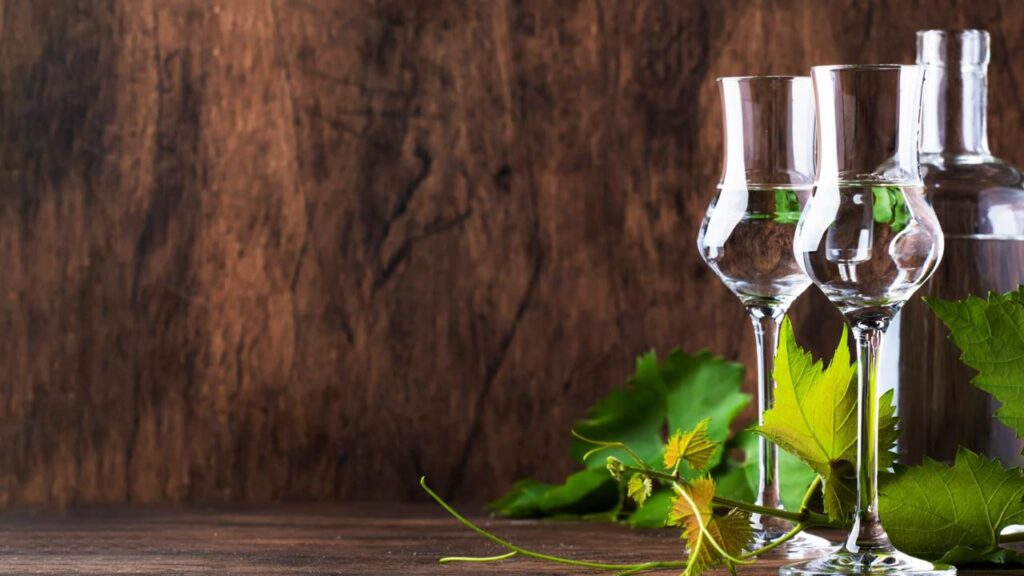
Pisco is the national drink of Peru. Tell us about the gastronomy of the country.
For over 400 years, Peru’s flagship drink has been a fine distilled spirit with a designation of origin, whose production is limited to a 1,200 km stretch of its southern coast. It is a product that was born from the crossbreeding of Peruvian and Spanish cultures. This same fusion serves as the backbone of Peru’s gastronomic identity. Rooted in 5,000 years of history and vast biodiversity, the country’s culinary tradition is a masterful blend of indigenous roots with European, African, and Asian influences.
Do Indians need a visa to travel to Peru?
Indian citizens do need a visa—the process at the Peruvian embassy in India takes approximately five business days— and a passport valid for at least six months. However, there are some exceptions:
● At the time of entry into Peru, the Indian national holds a visa with a validity of minimum six months from any one or more of the following countries: United States of America, Canada, United Kingdom, Australia or any Schengen space country.
● The Indian national holds permanent residence in any one of the following countries: United States of America, Canada, United Kingdom, Australia or any Schengen space country.
Tell us about the similarities between India and Peru.
The parallel between Peru and India is profound, as both nations serve as the primary cradles of civilization in their respective hemispheres. While the Indus Valley flourished in the fertile basins of South Asia, wCaral rose simultaneously in Peru. This shared heritage is more than a historical fact; it is the cornerstone of their national identity. This ‘millennial’ DNA manifests today in a deep reverence for the land, a resilient communal spirit, and a cultural continuity that has survived millennia.