
A Land of Timeless Wonders
Stories of history, folklore and breathtaking landscapes

Ambassador of Romania to India
Romania, with its rich tapestry of history, folklore, and breathtaking landscapes, offers travellers a journey into timeless charm. H.E. Mrs. Sena Latif, Ambassador of Romania to India, shares insights into the country’s culture, cuisine and timeless wonder.
What can first-time visitors experience in the country?
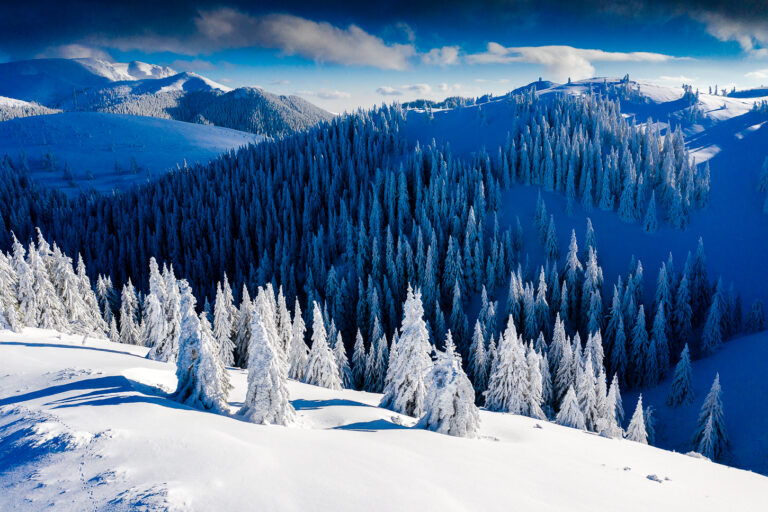
Exploring Romania for the first time reveals an incredibly rich mix of natural, cultural and historical experiences. The Carpathian Mountains and Transylvania offer medieval cities and castles, while along the beautiful Black Sea Coast, travelers can enjoy seaside resorts, nautical sports and a vibrant night life. With 7 UNESCO world heritage objectives, including the Danube Delta, alongside monasteries, archaeological sites, fortified medieval settlements, museums, dance and music shows, book fairs, international cinema or theatre festivals, Romania uncovers impressive encounters. Romania is also home to unique cultural treasures, such as the Merry Cemetery in Săpânța, where colourful tombstones and humorous epitaphs celebrate life, local traditions, and folk art. Throughout the country, there are plenty of opportunities for skiing, hiking, cycling, horse riding and nature trips across 27 national and natural parks. About 7% of Romania is area covered by wild forests, caves, lakes, rivers, mineral water springs and mud volcanoes providing a large choice of spa treatments.
What traditional Romanian dishes should every visitor try, on during their trip?
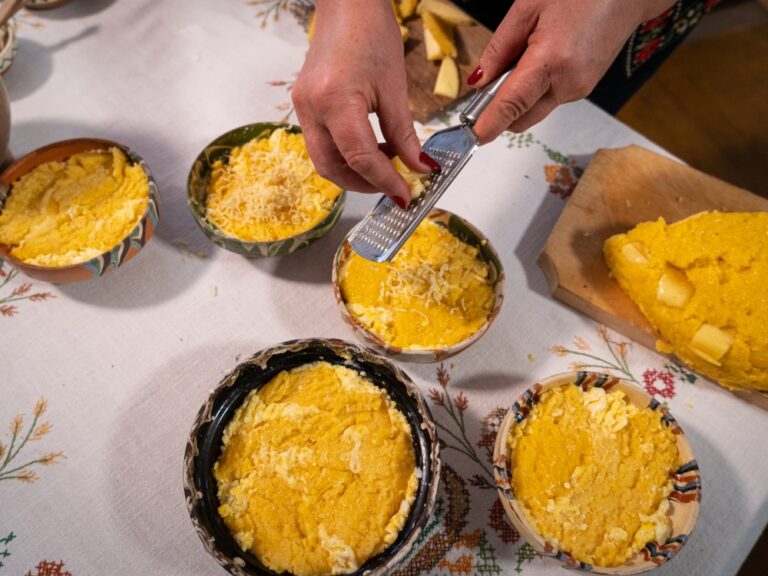
Romanian cuisine is abundant, hearty and full of flavour, reflecting local traditions and regional diversity. Perhaps the most famous dish is sarmale – cabbage rolls stuffed with meat, rice and condiments. Visitors must also try zacuscă – a delicious spread made from roasted vegetables, or mămăligă – a traditional cornmeal dish often served with cheese and sour cream. Other favourites include ciorbă de burtă – a sour tripe soup, mici – grilled spiced meat roll and fasole bătută – a bean puree topped with sautéed onions. Traditional desserts like papanași – fried doughnuts with fruit jam, or cozonac – sweet nut and chocolate filled bread, complete the authentic Romanian culinary experience.
Which castle best captures Romania’s legendary folklore and history?
The legend of Vampire Dracula is one of the most famous myths internationally and Bran Castle brings it to life. Though Vlad Țepeș, the historical figure behind Dracula, never actually lived here, the castle served as a royal residence for Queen Marie of Romania. Its medieval rooms, stone staircases and the antique furniture, weaponry and costumes take guests back in time, in a mysterious medieval world, offering a fascinating glimpse into both Romania’s royal heritage and one of literature’s most famous legends.
What lesser-known town offers a glimpse of Romania’s medieval charm, without the crowds?
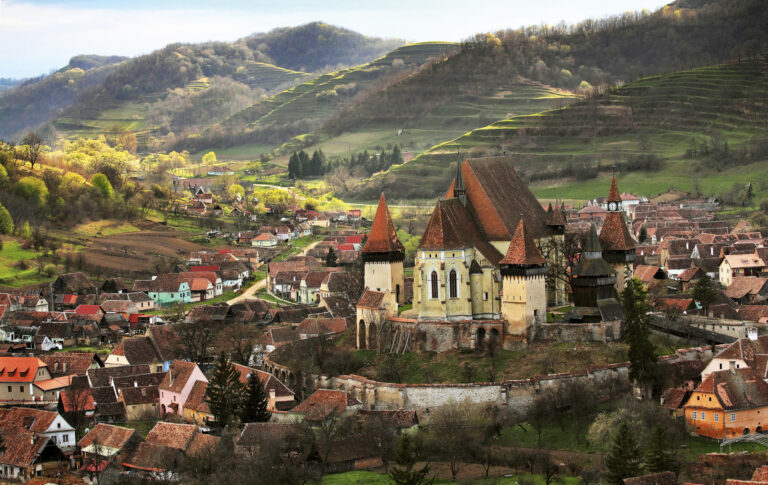
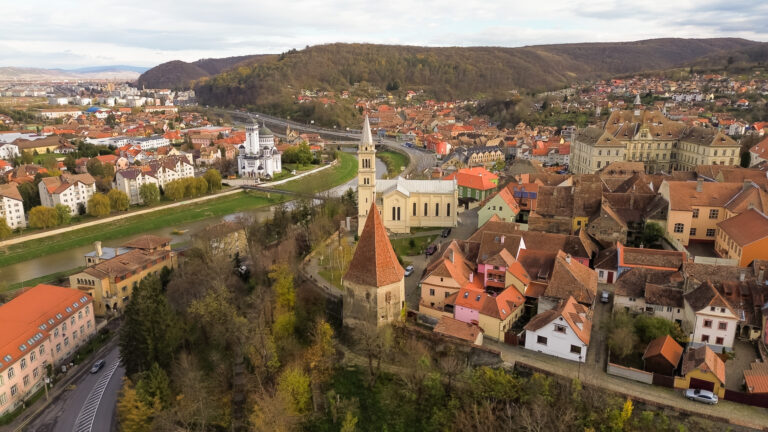
Biertan is one of those Transylvanian villages that makes you feel like you’ve stepped back in time, being the perfect destination for those seeking medieval charm away from the crowds. It is famous for its fortified church, a UNESCO World Heritage site. Built in the 15th century, the church served as the religious and social heart of the local community and is surrounded by defensive walls, towers and gates. For those interested in exploring more of medieval Transylvania, Sighișoara, with its colourful towers, and Viscri, known for its quiet Saxon houses and frequently visited by King Charles, offer wonderful alternative experiences.
Which UNESCO World Heritage site reveals Romania’s spiritual and artistic heritage?
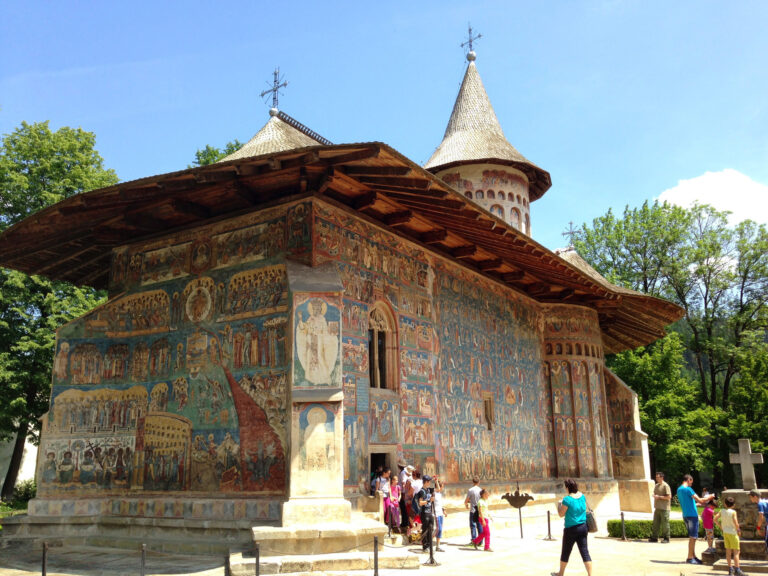
The Dacian Fortresses of the Orăștie Mountains are a remarkable UNESCO World Heritage site, representing the military, political and spiritual centres of the Dacian civilization, the primary ancestor and foundational culture of modern Romania. Equally impressive is the Danube Delta, a natural UNESCO Biosphere Reserve and one of Europe’s largest wetlands. With its rich biodiversity, including rare birds and unique aquatic ecosystems, the Delta showcases Romania’s natural heritage. The vibrant frescoes and intricate architecture of the Painted Monasteries of Bucovina reflect Romania’s rich spiritual and artistic tradition. The Ancient and Primeval Beech Forests of the Carpathians feel like stepping into a fairy tale, with untouched trees and magical landscapes.
Where can travellers enjoy Romania’s café culture and taste locally roasted coffee?
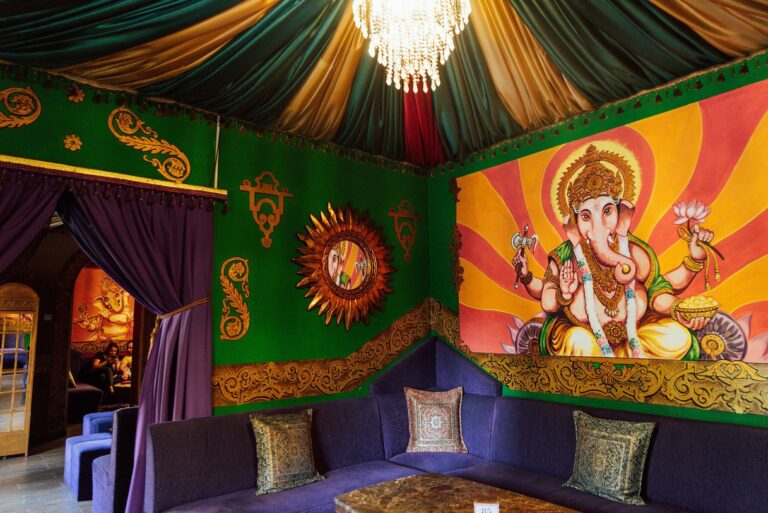
Travellers can enjoy Romania’s café culture in cities like Bucharest, Cluj-Napoca, and Timișoara, where a growing specialty coffee scene has taken shape in recent years. Many of them are set in innovative locations, such as converted garages, old houses or repurposed industrial spaces. At the same time, tradition remains strong, with Cafeneaua Veche 9, the oldest café in Bucharest, located in a 210-year-old building in the city’s Old Town.Romania’s growing passion for coffee is also reflected in events like the Bucharest Coffee Festival, the country’s first coffee festival and one of the most well-known coffee events in Eastern Europe.
Tell us about the similarities between Romania and India.
Romania and India share surprising similarities despite their distance. These connections are becoming even more stronger and visible as a growing Indian community thrives in Romania. Hospitality is central, with hosts warmly welcoming guests with open arms and generous meals. Both countries value strong family ties and close relationships across generations. Folk music, traditional dances, handmade crafts and traditions are cherished and carefully preserved. Both are home to diverse communities, where many ethnic minorities coexist peacefully. Like India, certainly at a different scale, Romania offers stunning, varied landscapes, from mountains and plains to the seaside, as well as cuisines that blend local ingredients with regional influences, creating unique and flavourful culinary experiences.
What do you like the most in India, and why?
I appreciate India’s incredible diversity, vibrant culture, colours and traditions. What impresses me most is the unique combination of lush green vegetation and the abundance of animals, juxtaposed with impressive ancient architecture and modern buildings at the same time, a rare sight that you don’t see just anywhere, especially in a capital or such large cities. But, above all, it is the generosity and kindness of the people, their hospitality and care for one another, always giving back to the community, that makes India, for me, such a memorable place to experience.