
Discover Slovakia’s Timeless Treasures
Castles, Culture and cinematic landscapes
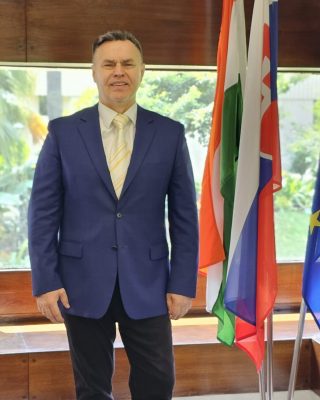
Ambassador of Slovakia to India
Slovakia unfolds as a land of castles, mountains, and timeless traditions, where history and nature blend in harmony. From UNESCO sites to hidden villages, every corner reveals a story waiting to be discovered. TravelJingles in conversation with H.E. Mr. Robert Maxian, Ambassador of Slovakia to India, shares an insight on the country.
Which three experiences truly capture the spirit of Slovakia for a first-time visitor?
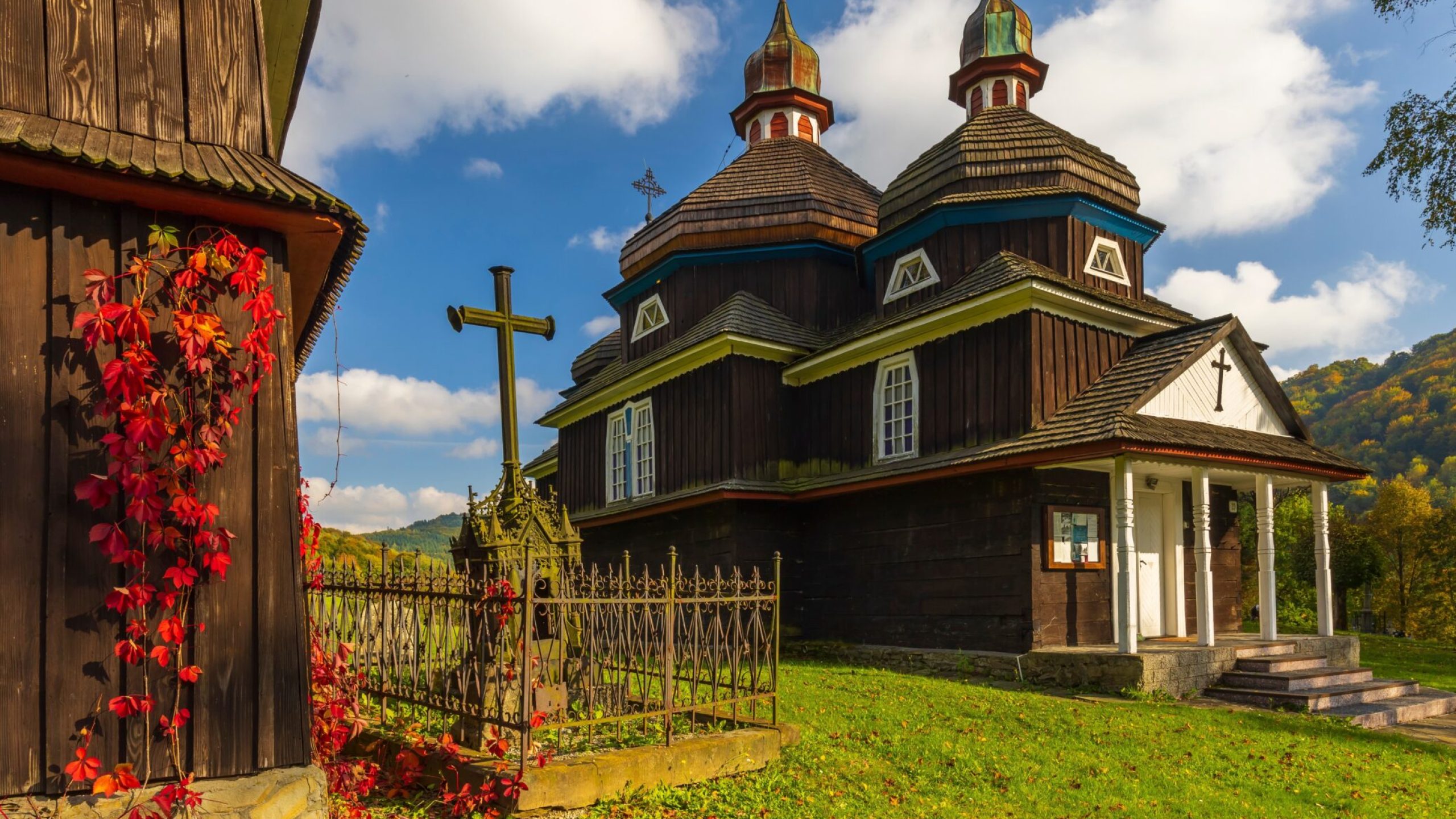
I´d say castles truly capture Slovakia’s spirit as they are an inseparable part of the country’s identity telling the story of it through times. Once the residences of famous rulers, or the sites of important historical events, they still breathe glory and elegance, which is something nobody should miss when visiting Slovakia for the first time. The second is nature and it does not matter if you´re in shape. Slovakia offers countless different opportunities – you can visit presidential gardens, enjoy a relaxing day by lake or walk a spectacular treetop trail. For sports enthusiasts there are innumerable hiking paths, rock climbing and much more. The third unmissable item would be culture. Again, it´s up to the visitor´s choice, wheather it´s a contemporary art and music event or more traditional historical experience. From Roman fortifications, through medieval towns, Slovakia’s heritage also includes wooden churches, Jewish synagogues, alongside functionalist and earlier socialist architecture meeting with modern urban styles.
What flavours and traditions make Slovak cuisine a journey in itself?
For most of its history, Slovakia was shaped by rural life and self-sufficiency, with communities relying heavily on what the land could provide. This close connection to agriculture continues to define the national cuisine today. A lot of traditional dishes are based on simple, locally available ingredients: potatoes, cabbage, pork and flour. Dairy products, especially sheep cheese, play a central role, while potatoes, apples or flour are still widely used, forming the basis of many dishes passed down through generations and making the cuisine distinctive. In general, Slovak cuisine often features rich soups, dumplings and stews designed to be filling and nourishing, much like North Indian cuisine. The National dish, bryndzove halusky are a perfect example of comfort food – soft potato dumplings combined with creamy sheep cheese, with crispy bacon on top.
How do Slovakia’s castles stand as living testaments to history and imagination?
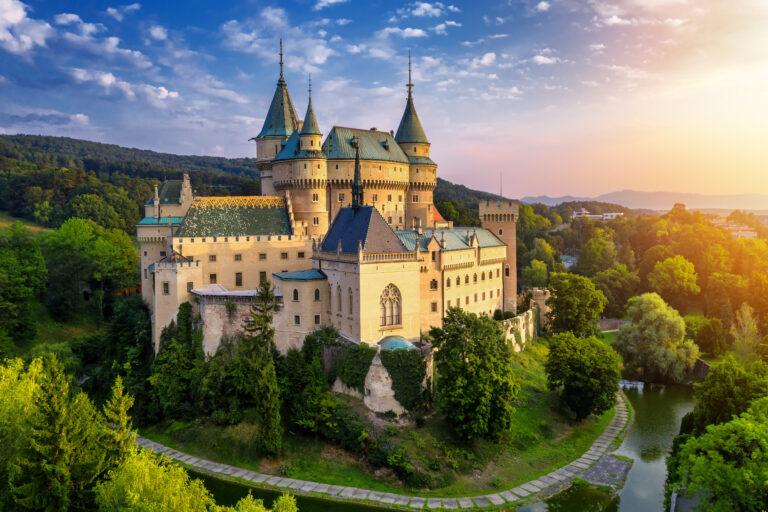
Slovakia’s castles link the past and present in a very tangible way, as many of them are open to the public and can be explored directly. Once centres of defence and noble life, they now offer visitors the chance to walk through centuries of history rather than only imagine them. Their striking positions—often set above towns or set in natural landscapes—add to their almost fairytale atmosphere. This combination of accessibility, atmosphere and historical depth allows Slovakia’s castles to remain living connections to the country’s heritage.
Tell us about the bilateral trade one can do, with the country?
There are many opportunities in different fields of industry. For example, Slovakia invests in India in the sectors of railway and biofuels. Collaborations are undergoing in smart lightning, disaster management, ICT, defence and others. Automotive industry plays a pivotal part in our mutual trade, where Slovakia’s exports to India are predominantly composed of completed vehicles, which account for approximately 40% of total export value, while India’s exports to Slovakia are largely represented by smartphones, followed by automotive parts. Beyond these established areas, there is also significant potential for deepening cooperation in innovation-driven sectors, particularly through joint research and development initiatives, technology transfer, and collaboration between industry and academic institutions in fields such as advanced manufacturing, digital technologies, and sustainable mobility solutions.
Slovakia’s automotive legacy becomes a symbol of innovation and pride. Comment
Automotive sector is indeed the pride and the most distinctive field of our industry. Until this day, we are the world leader in car production per capita and we produce more than 1 mil personal cars per year. However, Slovakia is offering much more than that. Strongly linked with automotives are engineering and electronics, both of which became staples of Slovak manufacturing along the defence sector. Consequently, these fields created a strong base for emerging and innovative sectors, such as robotics, cybersecurity, space or health-tech, which we believe are a fundamental precondition for increasing the country´s competitiveness.
Which UNESCO treasures in Slovakia best embody its timeless cultural story?
My recommendation would be Spiš castle with the city Levoča. Over 800 years old, Spiš Castle stands as one of Slovakia’s most iconic landmarks and its dramatic presence and scale have made it a sought-after location for international film productions from all over the world. The UNESCO area extends to Spišské Podhradie with its Gothic and Renaissance houses, and to Spišská Kapitula, a historic religious centre often referred to as the “Slovak Vatican”. In Levoča, not far from Spiš Castle, you will find another UNESCO site – the historic city centre with the world´s highest wooden altar dating to the 14th century and 65 Gothic and Renaissance townhouses, ornate façades, and a wealth of historic heraldic emblems. There is also a 16th century pillory cage used as a punishment for women who wandered out after nightfall without a male companion.
What do you like the most- mountains or beaches?(One word)
Mountains.
What is your favourite spot in Slovakia? What makes it so special?
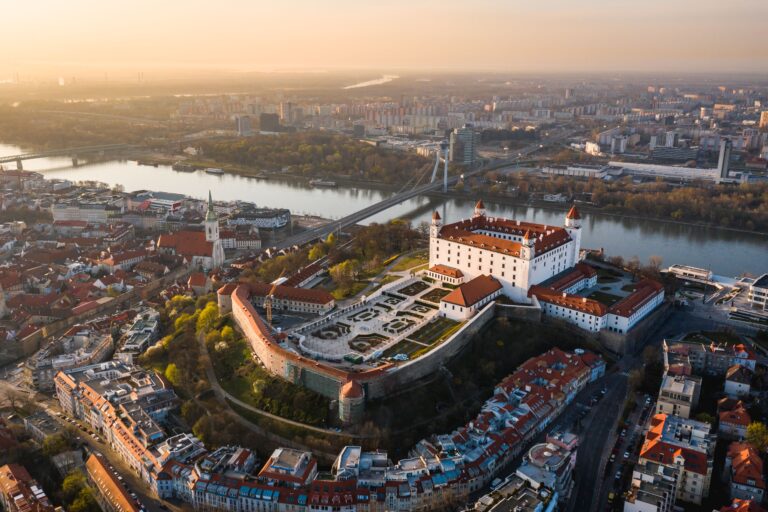
Being a diplomat and living all over the world makes you appreciate the smaller things. Personally, the favourite spot right now is a terrace at my house just enjoying a nice time with my family and friends. But dating back when I was actively skiing, my favourite place were mountains. Everybody know High Tatras, but more close to my hometown are Low Tatras. Often underestimated, it´s actually the largest National Park in Slovakia featuring numerous scenic locations from long valleys and steep rocks to impressive caves and endless forests.
In what ways have India and Slovakia woven cultural ties together? Do we have any similarities between the two countries?
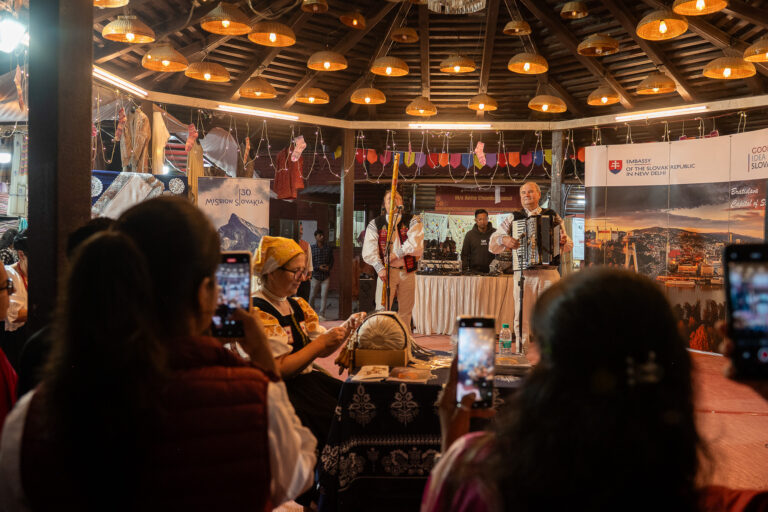
Cultural ties between Slovakia and India continue to deepen alongside growing trade relations and a rising Indian community living in Slovakia. This has contributed to greater awareness and interest in each other’s cultures, reflected in the growing popularity of yoga and Indian cuisine among the Slovaks. A notable milestone is also the translation of the Upanishads into the Slovak language, which has contributed to a deeper philosophical understanding. At the same time, Slovak culture is being increasingly presented in India through film screenings and the participation of Slovak folk ensembles at cultural festivals. Slovak Cultural Days in India in November 2025 provided a particularly vivid example of this exchange, featuring fusion musical performance combining the Indian sitar with the traditional Slovak musical instrument fujara, along presentations of traditional craftsmanship, highlighting the creative dialogue between our cultures.
What do you like the most about India and why?
I’d say India is incredibly diverse and colourful, and that’s what makes it so interesting. Every region feels a bit different in terms of cul;ture, language, and everyday life. You also notice the variety in nature, from mountains and forests to beaches and deserts, so there’s a lot to explore beyond just the cities. However, the best part are the people. There’s a certain ease in how people interact. You find yourself in conversations without planning to and help often comes without asking for it. After living here for years, I have to say, it changes how connected you feel to the place and the people.