
Where Timeless Heritage Meets Bold Innovation
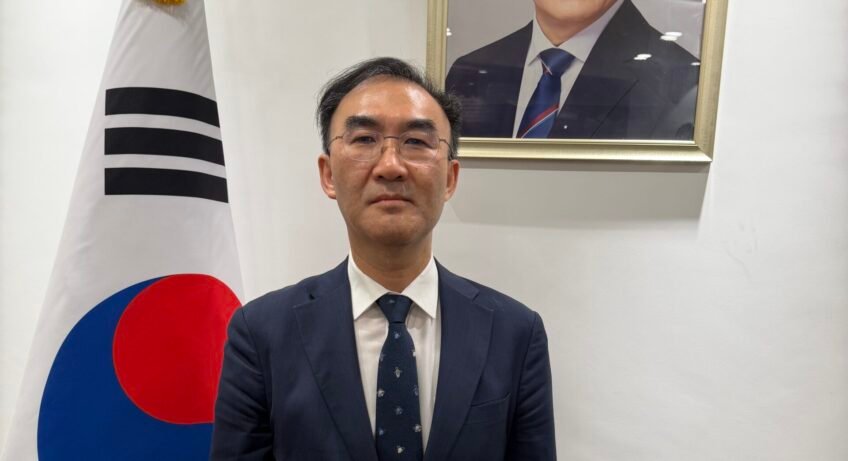
South Korea presents a captivating blend of heritage and innovation, where centuries-old traditions meet cutting-edge modernity. From historic palaces and tranquil hanok villages to bustling cityscapes and global pop culture, the country offers experiences as diverse as they are unforgettable. TravelJingles in conversation with H.E. Mr. Lee Seong-Ho, Ambassador of the Republic of Korea to India, brings these journeys to life.
Kimchi is one of the must-try foods of Korea. Tell us about the gastronomy of the country.
Korean cuisine is deeply connected to culture, seasonality, and the joy of sharing meals together. While kimchi remains one of Korea’s most iconic dishes, the country’s gastronomy offers much more – from bibimbap and Korean barbecue to seafood
delicacies, temple cuisine, and vibrant street food. Every region of Korea has its own specialties and flavours. What makes Korean food especially appealing to Indian travellers is the balance of taste, health and variety. Fermented foods, fresh vegetables, rice-based dishes and communal dining, are all central to Korean cuisine. Today, Korean food has also gained immense global popularity through K-dramas and cultural exchanges.


Gyeongbokgung Palace is very famous. Tell us about the must-do things in Korea?
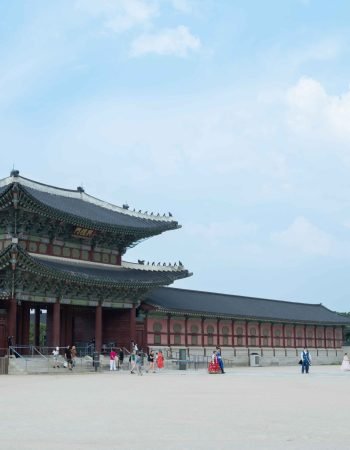
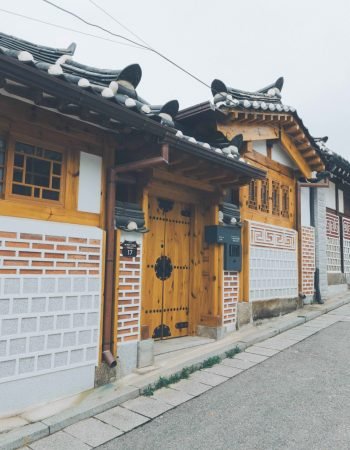
Korea offers a wide range of experiences for every kind of traveller. A visit to Gyeongbokgung Palace in Seoul is certainly a must, especially to witness the royal architecture and the traditional changing of the guard ceremony. Exploring Bukchon Hanok Village and Insadong allows visitors to experience Korea’s heritage and local culture. Busan offers beautiful beaches, seafood markets, and a vibrant coastal atmosphere.
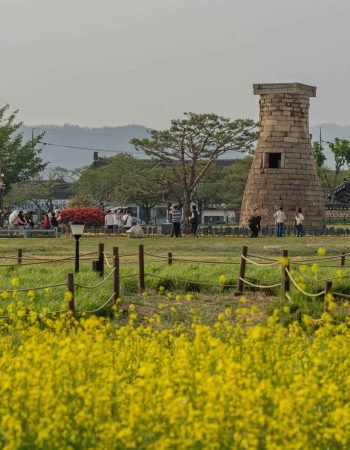
Travellers can also explore Gyeongju, often referred to as “the museum without walls,” which beautifully preserves Korea’s ancient history and cultural heritage. The city gained further international attention after hosting the 2025 Asia-Pacific Economic Cooperation (APEC) Summit, highlighting its significance as both a cultural and global destination. Gangwon State is another attractive region, known for its scenic mountains, coastal beauty, wellness experiences, and seasonal activities throughout the year.
Visitors also enjoy Korean food tours, shopping districts such as Myeongdong, and immersive K-culture experiences connected to K-pop and Korean dramas. During different seasons, Korea transforms beautifully with cherry blossoms in spring and colourful foliage in autumn. Korea is a destination where history, entertainment, cuisine, and nature come together seamlessly.
Korea is known for its unique blend of tradition and modernity. Tell us about the culture of the country?
Korea’s culture beautifully reflects harmony between tradition and innovation. Visitors can experience centuries-old palaces, traditional hanok villages, Buddhist temples, and cultural performances alongside advanced technology, contemporary art, fashion, and K-pop culture.
Respect for heritage remains an important part of Korean society, which is why traditional customs, cuisine, and festivals continue to thrive even in modern cities like Seoul. At the same time, Korea has become a global cultural trendsetter through K-pop, K-dramas, K-beauty, and K-food. This unique coexistence of old and new creates a very distinctive travel experience, where visitors can enjoy both cultural depth and modern lifestyle in one destination.
Tell us about the unknown gems of Korea?
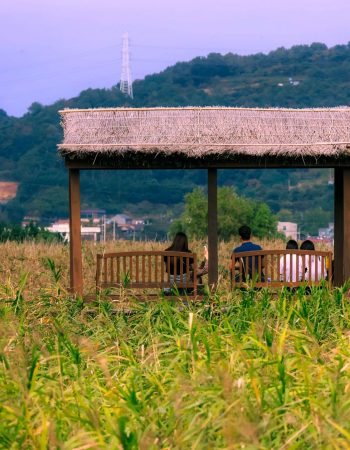
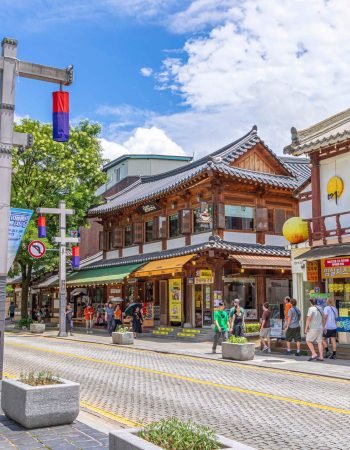
Beyond the popular destinations, Korea has many hidden gems that offer unique and authentic experiences. Cities such as Gyeongju showcase Korea’s ancient heritage and historical treasures. Jeonju is known for its traditional hanok village and rich culinary culture, while Gangneung offers beautiful coastal scenery and café culture. Suncheon is appreciated for its wetlands and ecological beauty, and Andong preserves Korea’s traditional Confucian culture and folk heritage. These destinations allow travellers to explore a quieter side of Korea, connect with local communities, and discover the country’s rich diversity beyond the major metropolitan cities.

Tell us about the similarities between India and Korea?
India and Korea share many cultural values despite geographical distance. Both countries place great importance on family, respect for elders, education, and strong community bonds. Food also plays a central role in daily life and celebrations in both cultures. Historically, there are meaningful cultural connections as well, including the spread of Buddhism from India to Korea centuries ago. Today, people-to-people exchanges continue to strengthen through tourism, education, films, music, and business collaborations. Indian audiences have warmly embraced Korean culture, while Koreans also show increasing interest in Indian traditions, cuisine, and cinema. These shared values create a natural cultural affinity between the two nations.
After eight years, the President of Korea concluded his visit to India. Comment?
The recent visit of the President of the Republic of Korea to India was highly meaningful and reflected the growing importance of bilateral relations between our two countries. It provided an opportunity to further strengthen cooperation across trade, technology, investment, tourism, education, and cultural exchange. India and Korea share a Special Strategic Partnership, and such high-level engagements help deepen mutual understanding and open new avenues for collaboration.
This positive momentum was further reinforced through the subsequent visits of Korea’s Chairman of Foreign Affairs and Unification on Committee in National Assembly to India and India’s Defence Minister Mr. Rajnath Singh to Seoul. These continued high-level exchanges clearly reflected the mutual commitment of India and Korea towards strengthening long-term partnership and regional cooperation.
What do you like most about India and why?
What I admire most about India is its incredible diversity and warmth. India is a country where different cultures, languages, traditions, and religions coexist harmoniously, creating a vibrant and dynamic society. I am particularly impressed by the hospitality of Indian people and the strong sense of community that is visible everywhere.
India’s rich history, spiritual heritage, cuisine, arts, and rapidly growing innovation sector also make it a fascinating country. Another remarkable aspect is the youthful energy and optimism of the people. India continues to evolve while remaining deeply connected to its traditions, which makes it truly unique and inspiring.
Tell us about the Bollywood movies shot in your country. What incentives are you giving for the same?
Korea’s diverse landscapes, modern cityscapes, historical sites, and advanced filming infrastructure continue to attract international productions, including Indian films and digital content. A recent example is the Tamil Netflix film Made in Korea, which was shot extensively in Korea and beautifully showcased cultural connections between India and Korea through its storyline and locations.
The growing popularity of Korean culture among Indian audiences has also increased interest in Korea as a filming destination. To support international productions, Korea offers efficient infrastructure, skilled production facilities, and strong logistical coordination. The Korean Film Council (KOFIC) through KoBiz also assists overseas filmmakers by facilitating international collaborations, production support, industry networking, and coordination within the Korean film industry.
How are bilateral relations between India and Korea evolving in terms of trade, tourism, and cultural exchange?
India–Korea relations have continued to grow steadily across multiple sectors. Trade and investment partnerships are expanding, particularly in areas such as technology, manufacturing, electronics, mobility, and innovation. Tourism has also witnessed significant growth, supported by increasing connectivity and rising interest among Indian travellers in Korean culture, cuisine, and entertainment.
Cultural exchange has become especially dynamic in recent years due to the global popularity of K-pop, Korean dramas, beauty, and lifestyle trends. Educational collaborations, people-to-people exchanges, and business partnerships are further strengthening ties between the two countries. Overall, the relationship is becoming broader, deeper, and more future-oriented with each passing year.