The Land of Pyramids
A Journey Through 7,000 Years of History

Ambassador of Egypt to India
Egypt, the cradle of one of the world’s oldest civilizations, continues to enchant travellers with its timeless heritage and dynamic modern spirit. From the awe‑inspiring Pyramids and treasures of Tutankhamun to the serene Nile. The country offers a tapestry of history, culture, and innovation. H.E. Mr. Kamel Z. Galal, Ambassador of Egypt to India, shares insights with TravelJingles highlights tourism, heritage preservation, and the enduring cultural ties between the two nations.
Visiting the Pyramids is a must in Egypt. Tell us about the must-do things in the country.
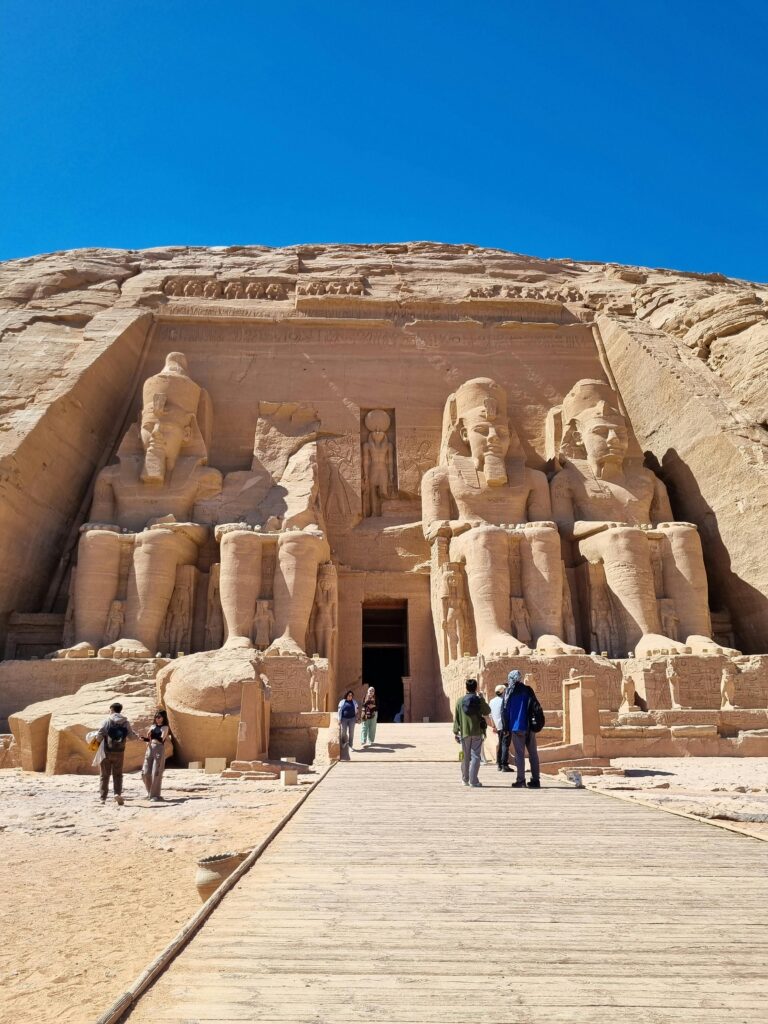
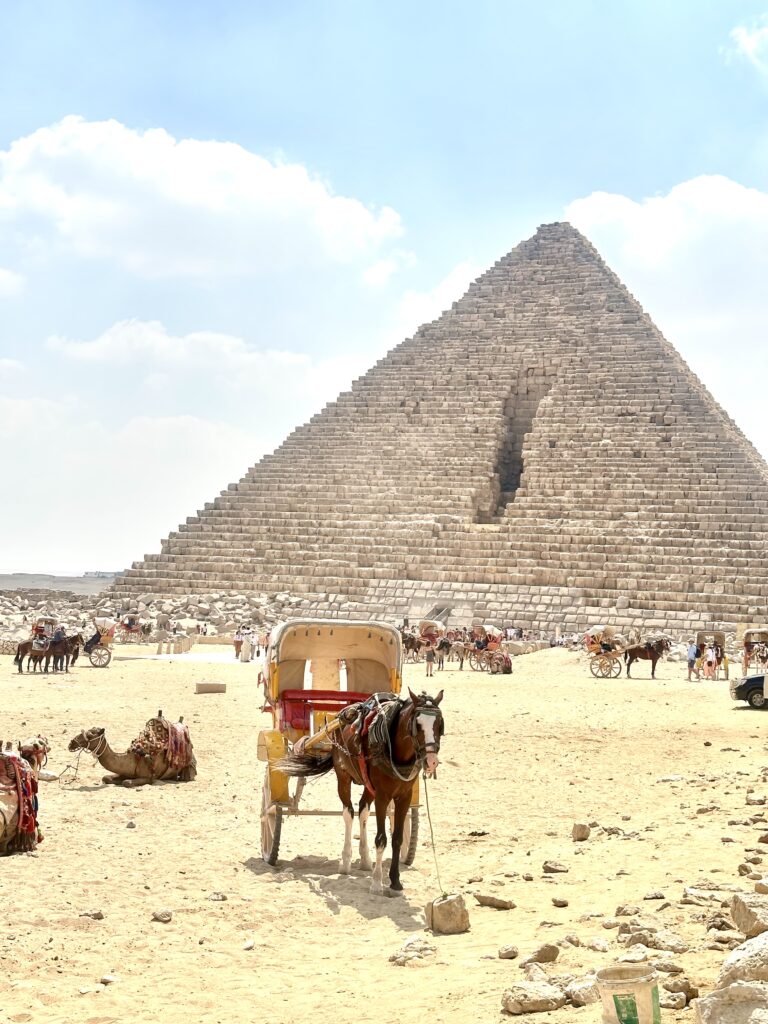
Egypt is one of the world’s most historically rich and culturally diverse destinations, with a civilization spanning more than 7,000 years. Beyond the Pyramids and the Sphinx, visitors should explore the Grand Egyptian Museum (GEM), which houses over 100,000 artifacts including the complete Tutankhamun collection. Luxor is another highlight, home to the Karnak Temple Complex, Luxor Temple, and the Valley of the Kings and Queens. Abu Simbel, with its monumental rock-cut temples built by Ramses II, is a UNESCO World Heritage Site not to be missed. Equally essential is experiencing the Nile River, often described as “the gift of Egypt.” Cruises between Luxor and Aswan, serene felucca sailing, and hot air balloon rides over the Nile Valley offer breathtaking perspectives steeped in history. Altogether, Egypt offers a complete tourism experience that combines ancient heritage, natural beauty, religious diversity, and vibrant modern culture.
The Grand Egyptian Museum (GEM) carries a Guinness World Record. Comment.
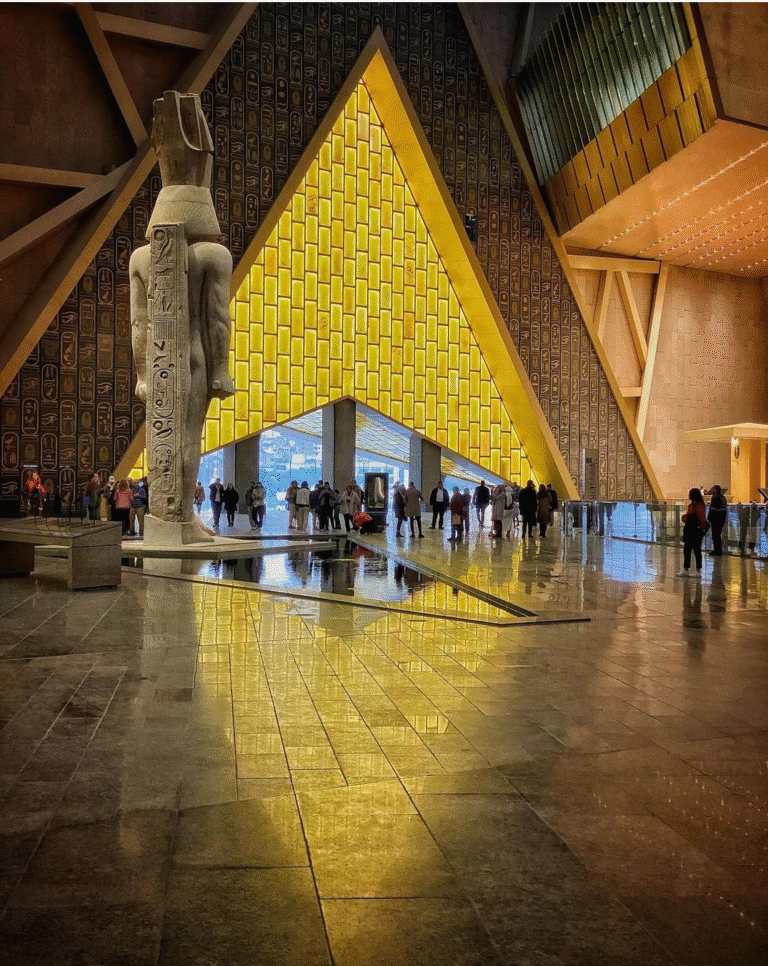
The Grand Egyptian Museum holds a Guinness World Record as the largest archaeological museum dedicated to a single civilization. Covering more than 480,000 square meters near the Giza Pyramids, it is designed to house over 100,000 artifacts, including Tutankhamun’s treasures displayed together for the first time since their discovery in 1922. This recognition reflects Egypt’s commitment to cultural preservation, modern museology, and global tourism. The GEM stands as a symbol of national pride and a message of hope, perseverance, and peace, presenting ancient Egyptian civilization while also reflecting the contemporary Egypt being built today.
Egypt is known worldwide for its ancient heritage. How is the country balancing preservation of historical sites with modern tourism development?
Egypt carefully balances preservation with tourism development through controlled restoration, scientific conservation methods, and visitor management strategies such as timed entry and designated pathways. Modern infrastructure projects, including the Grand Egyptian Museum, allow artifacts to be displayed in controlled environments, reducing pressure on ancient sites. Sustainable tourism initiatives, eco-friendly accommodations, and heritage awareness programs further support preservation. By combining strict conservation policies with modern facilities and responsible tourism planning, Egypt ensures its priceless heritage remains protected while accessible to visitors worldwide.
What new destinations or experiences in Egypt would you recommend to Indian travellers beyond the Pyramids and the Nile?
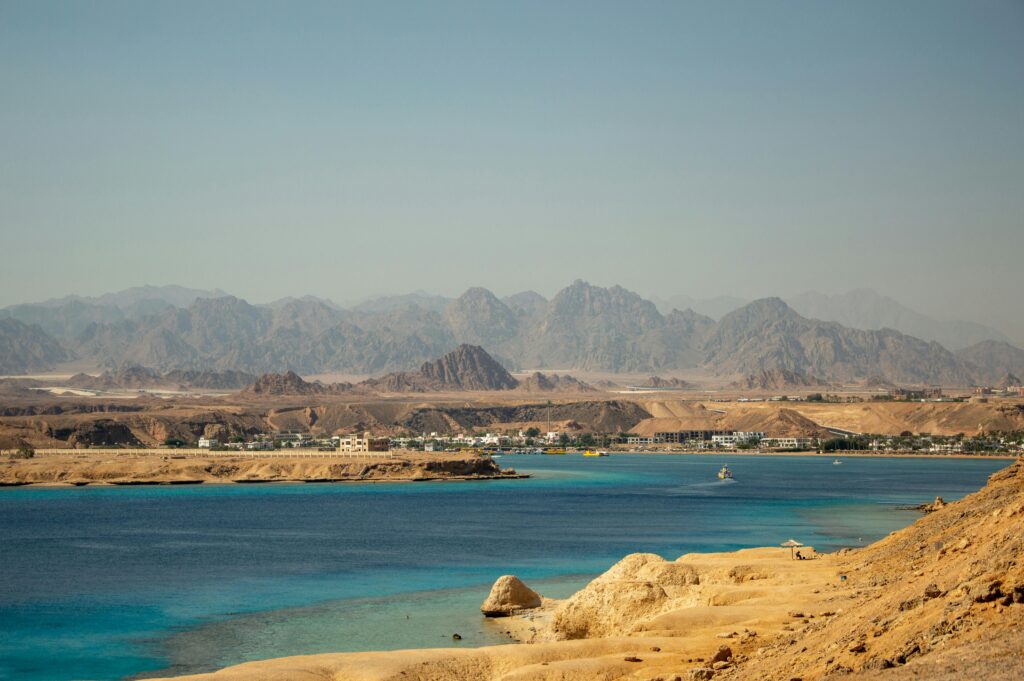
Indian travellers, with their deep appreciation for history and culture, will enjoy Egypt’s diverse offerings beyond the Pyramids and the Nile. The Red Sea resorts of Sharm El-Sheikh, Hurghada, and Marsa Alam are ideal for snorkelling, scuba diving, and luxury beach stays. Dahab offers a laid-back atmosphere popular with young travellers and adventure seekers. Nature enthusiasts can explore the surreal White Desert or camp under the stars, while the Siwa Oasis provides salt lakes, palm groves, and wellness traditions. Alexandria, with its Mediterranean charm, historic library, and seaside cafés, offers a cultural experience beyond ancient Egypt.
Egyptian cuisine is rich and diverse. Which dishes or culinary traditions would you encourage Indian travellers to try for an authentic taste of Egypt?
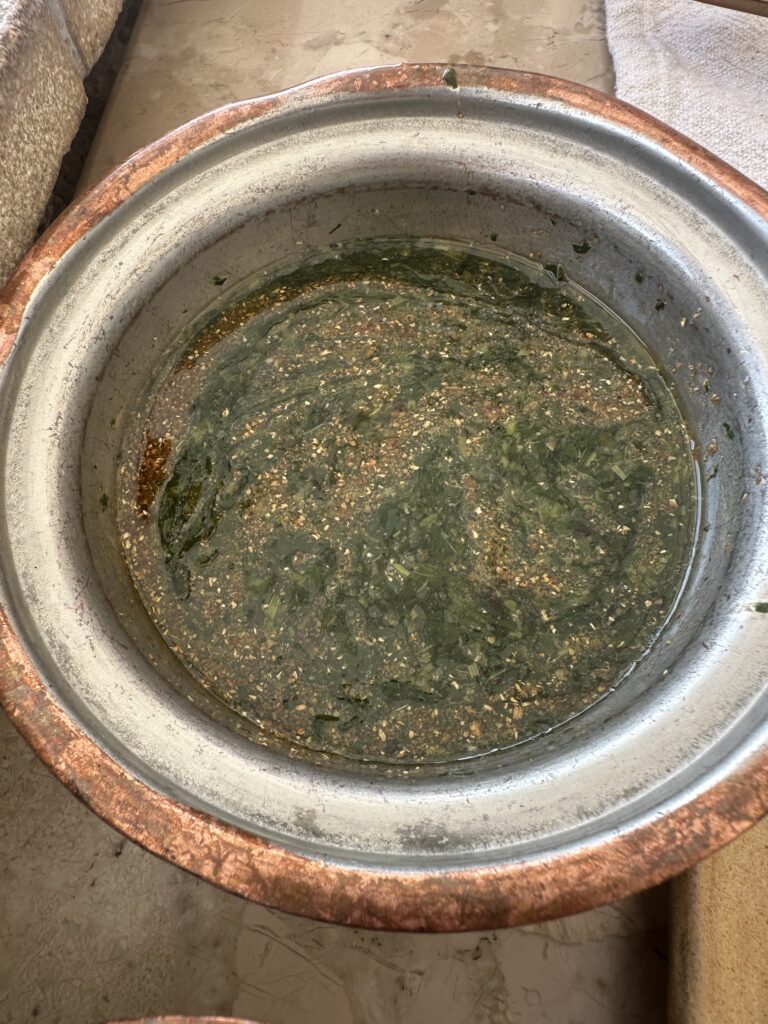
Egyptian cuisine is layered with flavours that resonate with India’s own culinary traditions. A must-try dish is koshary, a hearty mix of rice, lentils, pasta, and spicy tomato sauce. Ful medames and ta‘meya (Egyptian falafel made from fava beans) are popular breakfast staples. Molokhia, a traditional green soup served with rice or bread, and freshly baked baladi bread are essential tastes of Egypt. For dessert, basbousa and konafa provide a sweet finish, showcasing the richness of Egyptian culinary heritage.

Do you give any incentives for filming in the country?
Yes, Egypt offers several incentives to encourage international and local filming. Through the Egyptian Film Commission, filmmakers benefit from simplified permits, location assistance, and government coordination. Financial incentives and cash rebate programs have been introduced for foreign productions meeting specific criteria. With diverse filming locations—from ancient monuments and deserts to modern cities and beaches—combined with skilled local crews and competitive costs, Egypt is an increasingly attractive destination for film and television projects.
India and Egypt share strong historical ties. What are the current priorities in bilateral trade between the two nations?
India and Egypt are deepening their economic partnership, with a target of increasing bilateral trade to USD 12 billion within the next five years. Current priorities include agriculture, engineering goods, textiles, chemicals, fertilizers, and petroleum products. India exports manufactured and food products while importing raw materials and chemicals from Egypt. Egypt has also offered a dedicated area in the Suez Canal Industrial Zone for Indian industries. Cooperation is expanding into renewable energy, IT, automotive components, and pharmaceuticals, supported by joint trade committees to reduce barriers and attract investment.
What steps is Egypt taking to simplify visa processes for Indian tourists and business travellers? Do we have a direct airline to Egypt?
Egypt has streamlined travel for Indian visitors through the e-Visa system, allowing online applications processed within 3–7 business days. Travelers can choose single or multiple entry visas, making planning more convenient. In terms of connectivity, EgyptAir operates four direct flights weekly between Cairo and New Delhi, and five weekly flights from Mumbai, strengthening tourism and business links between the two nations.
Tell us about the similarities between India and Egypt.
India and Egypt share striking similarities rooted in their ancient civilizations and cultural heritage. Both are among the world’s oldest civilizations, with histories spanning thousands of years and a deep respect for tradition, religion, and philosophy. Family values play a central role in both societies, shaping daily life and social bonds. Each nation is culturally diverse, with multiple languages, customs, and regional identities coexisting. Food, music, and festivals are vital expressions of identity, while both countries balance ancient roots with rapid modern development, creating societies where tradition and progress coexist harmoniously.